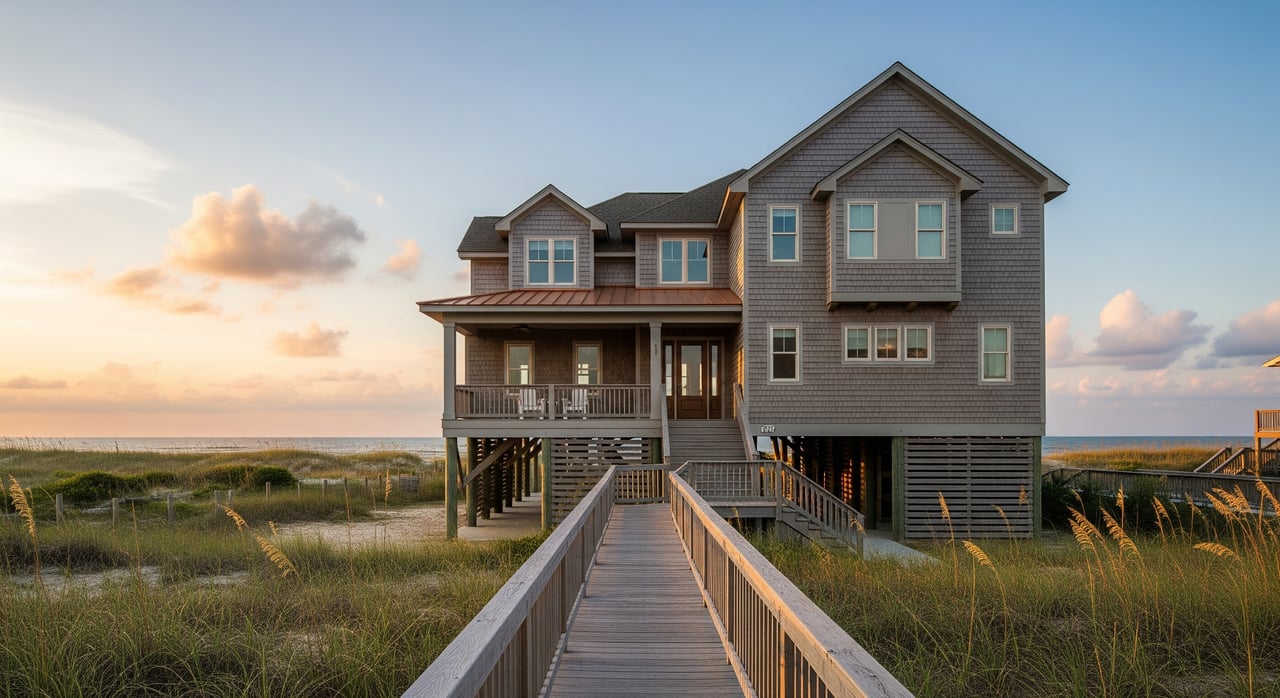
Buying a home in Nags Head comes with ocean views, salty breezes, and something else you need to plan for: storms. On the Outer Banks, wind and hail are part of coastal living, and understanding how insurance works will help you protect your place and your budget. If you are a first-time OBX buyer or adding a second home or vacation rental, a little clarity now can prevent big surprises later. In this guide, you will learn what wind and hail insurance typically covers, how deductibles work, lender expectations, what drives cost, and how to budget with confidence. Let’s dive in.
Why wind and hail matter in Nags Head
Nags Head sits on the barrier islands of the Outer Banks, which means regular exposure to tropical systems, hurricanes, nor’easters, and strong winter winds. Storms are a part of local life, and that higher exposure increases the likelihood of wind and hail claims compared to inland areas. For a quick sense of how storms are tracked and defined, explore NOAA’s National Hurricane Center.
It is vital to separate wind from flood. Wind and hail damage is typically part of a homeowners or dwelling policy. Flooding is not. Flood coverage is a separate policy through the National Flood Insurance Program or private flood markets. If your Nags Head property is near the ocean or in a mapped flood zone, your lender will likely require flood in addition to wind and hail. To understand the difference and how flood coverage works, see FEMA’s flood insurance guidance.
Many Nags Head homes are second homes or vacation rentals. How you use the home can affect underwriting, premiums, or the endorsements you need. Insurers may ask about rental frequency, vacancy periods, and property maintenance.
What wind and hail cover in your policy
Most standard homeowners policies, such as HO-3, include wind and hail for the dwelling unless the insurer excludes it or writes it separately. Coastal carriers often add special provisions for hurricanes or named storms. Some provide wind through a separate endorsement or a specialized policy.
Common coverages appear on your declarations page. You will see Dwelling (Coverage A), Other Structures (Coverage B), Personal Property (Coverage C), Loss of Use or Additional Living Expense (Coverage D), and Liability (Coverage E). One important add-on is Ordinance or Law coverage, which can help with code-required upgrades during repairs after a wind loss.
Policy wording matters. How a named storm or hurricane is defined can vary by insurer. The definitions and declarations control when a wind or hurricane deductible applies. When in doubt, ask your agent or insurer to explain the trigger in writing.
What to look for on your declarations page
- Coverage A limit for the dwelling, which is often used to calculate percentage deductibles for named storms or hurricanes.
- Your all-peril deductible and any separate wind, windstorm, or hail deductible.
- Any hurricane or named-storm endorsement that changes the trigger or deductible amount.
- Ordinance or Law coverage limits for building code upgrades after a loss.
Wind-only or endorsements?
In some coastal situations, wind may be provided through a special endorsement or a separate wind-only product if the primary carrier limits wind exposure. Availability changes over time, so compare options and read the endorsements closely.
Deductibles and storm triggers explained
Coastal wind and hail policies often use different deductibles than inland policies. You may see a mix of percentage and flat deductibles.
- Percentage hurricane or named-storm deductible: Commonly listed as 1% to 5% of the Coverage A dwelling limit, applied per qualifying event.
- Flat dollar deductible: A fixed amount that may apply to non-hurricane losses.
- Separate wind or hail deductible: Some policies split wind and hail from other perils.
How the percentage deductible is triggered can differ. Some carriers use a formal named-storm declaration, some rely on wind speed or a defined time window, and others reference agency determinations. Because wording varies, always review the definitions and endorsements so you know when the percentage applies.
Here is a simple example to help you budget. If your dwelling limit is $500,000 and your hurricane deductible is 2%, your out-of-pocket deductible for a qualifying event would be $10,000. That is separate from any flood deductible, which would be part of a flood policy if you carry one.
Claims and maintenance
Insurers look at the roof, windows, doors, and overall maintenance during claim handling. Documented mitigation features and good upkeep help in both underwriting and claims. After major storms, adjuster availability can be tight and repair costs can rise due to demand, so plan for potential delays.
For a clear overview of how hurricane deductibles work nationwide, the Insurance Information Institute explains the basics and common triggers. You can read more about how percentage deductibles operate here: explain how hurricane deductibles work.
Lender requirements and escrow
If you have a mortgage, your lender will require hazard insurance that protects the home. In most cases, lenders expect wind and hail to be included or endorsed onto the policy. If the property sits in a FEMA Special Flood Hazard Area, flood insurance will also be required.
Lenders typically require an insurance binder or declarations page naming them as loss payee before closing. You will also need to provide renewal proof each year. If coverage lapses, a lender may purchase a force-placed policy, which is often more expensive and may offer limited protection. To understand that risk, the CFPB explains what force-placed insurance is.
Secondary homes and short-term rentals can face stricter underwriting or different coverage requirements. Ask your lender and insurer how rental use will affect your policy and premiums early in the process.
What drives your premium in Nags Head
Several factors influence wind and hail premiums for Outer Banks homes. While market conditions change, these categories tend to matter most.
- Location: Proximity to the ocean, exposure to open wind, and local wind and flood zones.
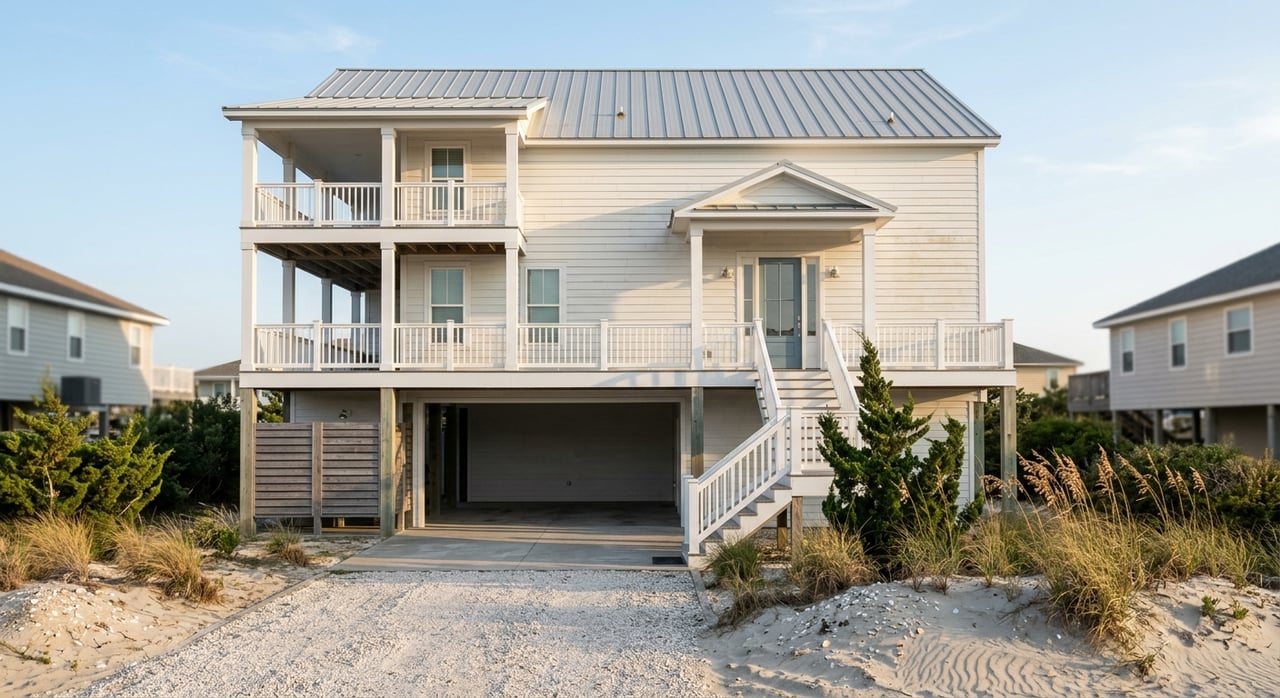
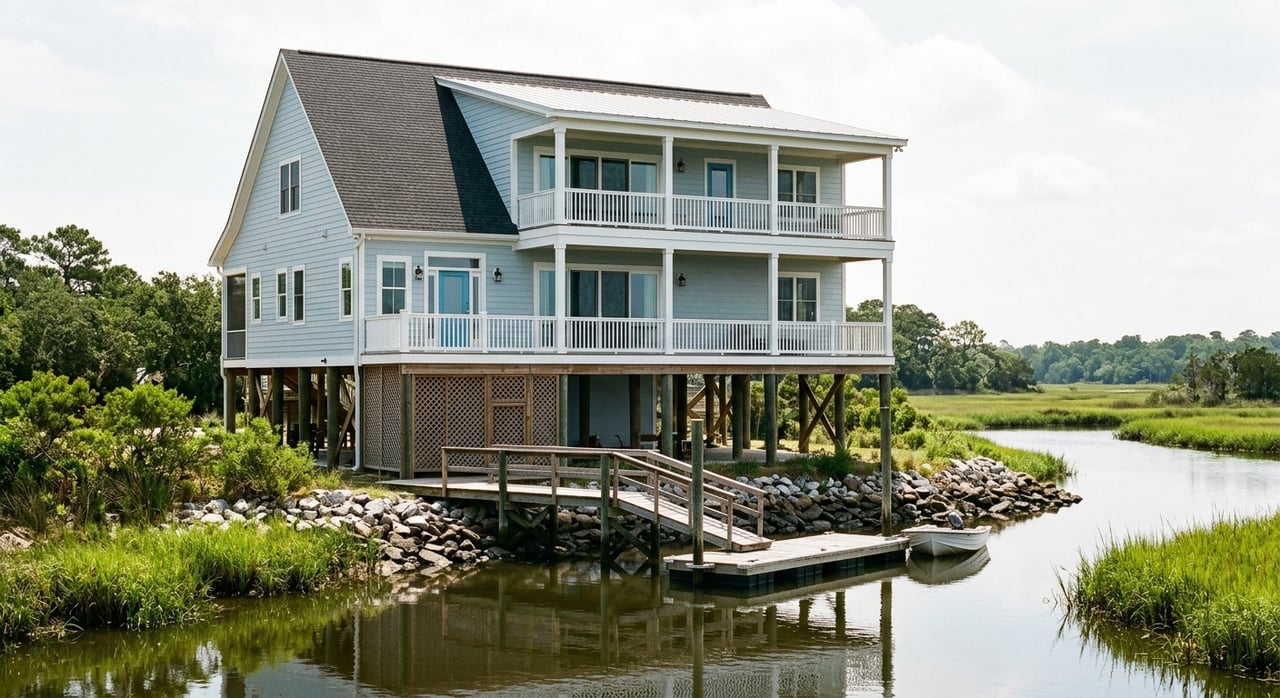
- Elevation and foundation: Height and pilings can change wind and flood exposure. Design and engineering matter.
- Building details: Roof age, roof shape, attachment methods, and roof covering type. Impact-rated windows and storm shutters often help.
- Year built and codes: Newer, code-compliant construction typically performs better and may rate more favorably.
- Claims and occupancy: Prior loss history and short-term rental use can affect pricing and eligibility.
- Market and reinsurance: After active storm seasons, reinsurance costs and carrier capacity can shift, which may change availability and pricing.
- Coverage choices: Higher limits, replacement cost options, and lower deductibles generally increase premium. Added endorsements also add cost.
Mitigation credits and inspections
Insurers often offer credits for documented wind mitigation features. Items that can help include roof-to-wall connections, impact glass or shutters, reinforced garage doors, and secondary water barriers. Many carriers require a certified inspection to grant credits. The North Carolina Department of Insurance homeowners guides are a helpful reference for coverage terms and consumer tips.
Budgeting for total cost
Wind and hail insurance is part of your total cost of ownership, not a separate afterthought. Build a plan that covers recurring premiums and potential out-of-pocket costs after a storm.
Key items to include in your annual budget:
- Homeowners or dwelling policy premium, including wind and hail coverage.
- Flood insurance premium if required or advisable.
- Escrow for insurance and property taxes if your lender escrows payments.
- A realistic reserve for the hurricane or named-storm deductible. Plan for 1% to 5% of your dwelling limit based on your policy terms.
- Routine maintenance and mitigation upgrades, such as roof replacement or impact protection.
- A buffer for potential premium increases after active storm seasons or carrier changes.
A simple planning rule: build a buffer equal to your annual premium plus an amount equal to your estimated percentage deductible. That approach helps you avoid cash stress when you need repairs.
Quick pre-purchase checklist
- Ask the seller or listing agent for a recent declarations page to see current coverages, deductibles, and insurer.
- Request details on roof age, recent upgrades, permits, and inspection reports.
- Get quotes from multiple insurers and ask directly:
- Is wind included or written as a separate endorsement or policy?
- Is the deductible a percentage for hurricanes or named storms, and how is it triggered?
- What wind mitigation credits are available and what documentation is required?
- How does vacation rental use affect underwriting and coverage?
- Verify the property’s flood zone in the FEMA Flood Map Service Center and request flood quotes if needed.
- Set aside emergency funds or plan how you would cover your wind deductible if a storm hits.
- Review Ordinance or Law coverage to prepare for potential code upgrades after a loss.
- Check insurer financial strength and any state consumer information or complaint data.
Local resources to keep handy
- NOAA’s National Hurricane Center: Storm tracking and seasonal updates.
- FEMA’s flood insurance guidance: Flood coverage basics and resources.
- FEMA Flood Map Service Center: Look up your property’s flood zone.
- North Carolina Department of Insurance homeowners guides: Consumer information on coverage and claims.
- Town of Nags Head Planning and Development: Local code, permitting, and inspection contacts.
- Dare County Planning Department: County-level planning and permit information.
- Insurance Information Institute on hurricane deductibles: How percentage deductibles apply.
- CFPB on force-placed insurance: Lender requirements and risks if coverage lapses.
Ready to talk it through?
Buying on the Outer Banks is a lifestyle move, and getting the wind and hail details right will make ownership smoother and less stressful. If you want local, practical guidance as you weigh policy options, rental use, and total cost of ownership, let’s connect. Reach out to Suzanne Baer to schedule a Free Local Consultation.
FAQs
Is wind and hail covered by a homeowners policy in Nags Head?
- Usually yes, but coastal policies often include special windstorm, hurricane, or named-storm provisions with separate deductibles, so review your declarations and definitions.
How big is a typical hurricane deductible for OBX homes?
- Many coastal policies use a percentage of the dwelling limit, often between 1% and 5%, with the exact percentage and trigger defined by your insurer.
Do I need flood insurance for a Nags Head home near the beach?
- If the property is in a FEMA Special Flood Hazard Area or your lender requires it, you will need a separate flood policy because flood is not covered by homeowners insurance.
Can impact windows or storm shutters lower my premium?
- Often yes, since documented wind mitigation features may qualify for credits, though the size of the credit varies by insurer and requires proper documentation.
What happens if my insurer drops wind coverage after a stormy season?
- You may need to seek another private carrier, specialty markets, or state-guided options; check North Carolina DOI resources and compare alternatives promptly.
How should I plan for repairs if I have a percentage hurricane deductible?
- Keep an emergency reserve sized to your policy’s deductible based on your dwelling limit and confirm with your mortgage servicer whether funds are escrowed for repairs.