Dreaming of ocean views from your sofa but not sure why so many Outer Banks homes put the kitchen upstairs? If you have toured Kill Devil Hills and noticed homes that feel “upside down,” you are not alone. Reverse floor plans are common across the OBX for good reasons tied to views, flood safety, and lifestyle. In this guide, you’ll learn what a reverse floor plan means here, how it affects daily living, stairs and elevators, insurance, and resale. Let’s dive in.
What a reverse plan means
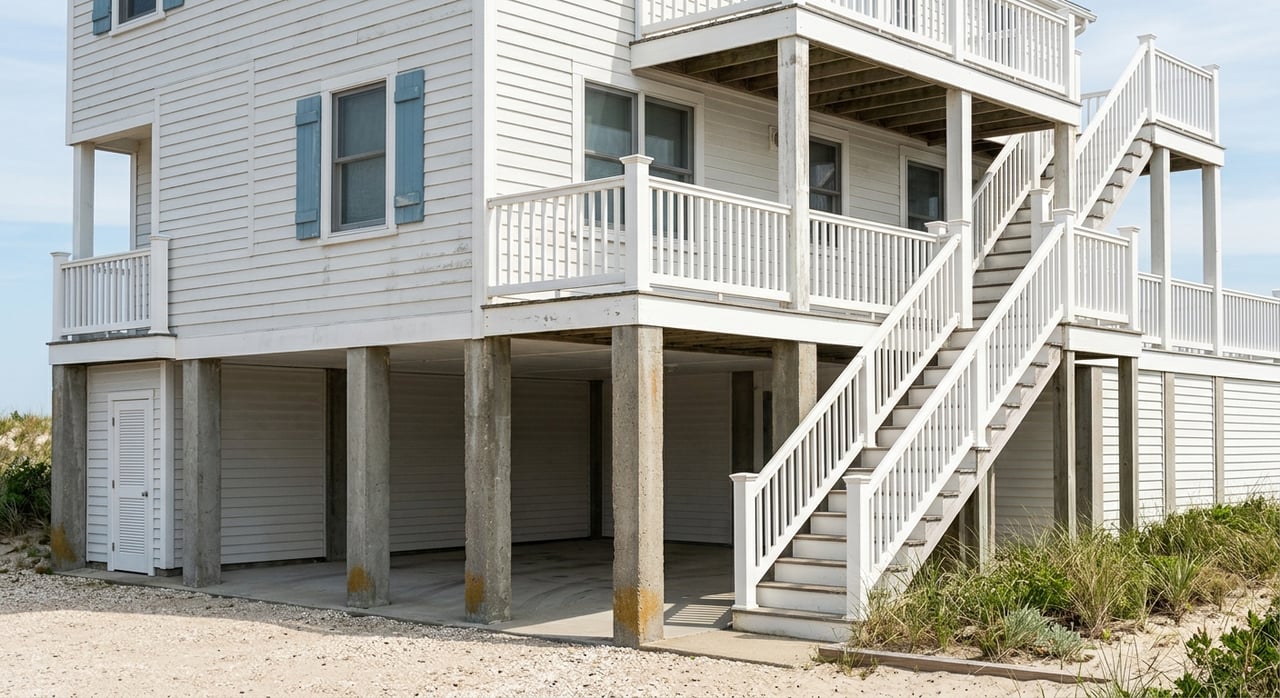
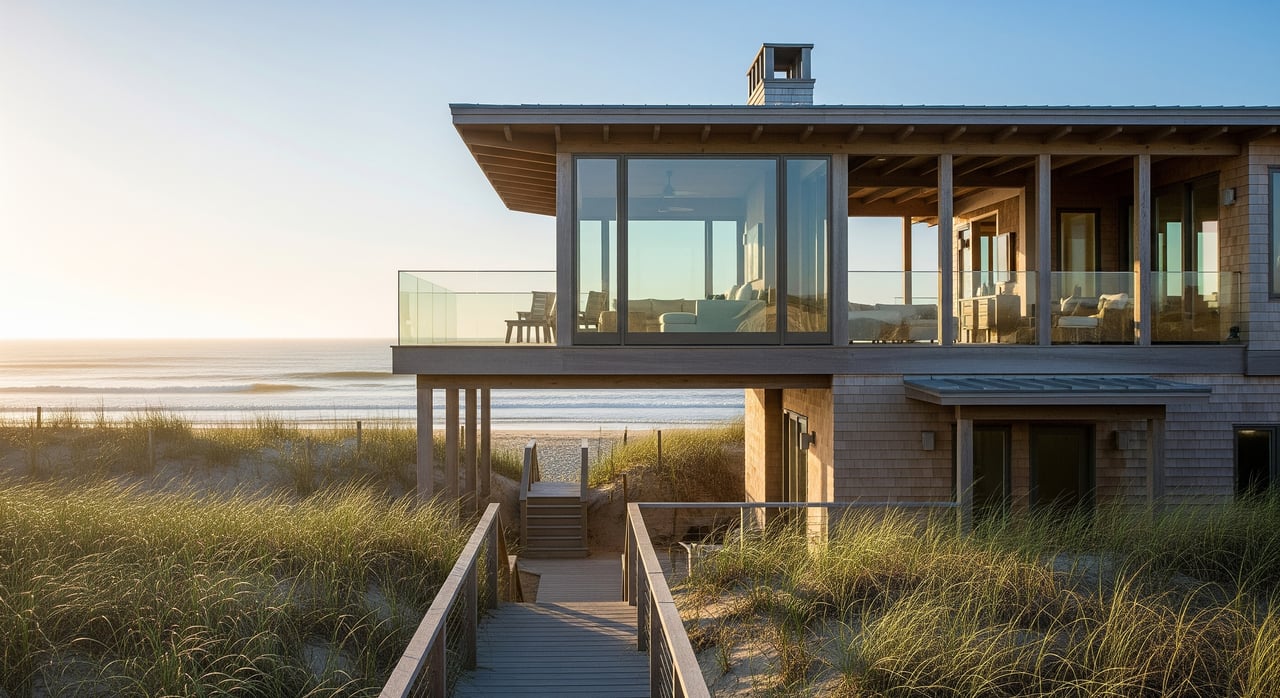
A reverse floor plan, sometimes called an upside‑down layout, places the main living spaces on the upper level. The kitchen, living room, dining area, and a primary deck are upstairs, while most bedrooms are on the level below. Some homes use a partial reverse plan, keeping one bedroom or an ensuite on the living level for convenience.
On the OBX, this design puts your everyday life where the views are. You enjoy more daylight, breezes, and privacy for gatherings while bedrooms stay quieter below. Many buyers love that the main deck connects directly to the kitchen and great room.
Why OBX homes flip the script
Coastal views are the big draw. Elevating living areas above dunes, trees, and neighboring rooftops opens sightlines to the ocean or sound. The layout also responds to coastal flood risk by placing livable space and key utilities above likely water levels. In many neighborhoods, raising the primary living area helps align with local floodplain standards and may reduce risk during storms.
For everyday living, upper‑level entertaining spaces give you better daylight and airflow. Bedrooms below are tucked away from the activity, which can help when hosting friends and family.
Flood zones, permits, and codes in KDH
Kill Devil Hills sits in a coastal environment where flood risk and building rules shape design. Many properties fall within FEMA‑mapped Special Flood Hazard Areas like AE or V zones. You can check a property’s flood zone using the FEMA Flood Map Service Center. Start with the address search on the FEMA Flood Map Service Center.
Local governments that participate in the National Flood Insurance Program set standards for building above the Base Flood Elevation, plus any required freeboard. Dare County and the Town of Kill Devil Hills enforce permits, inspections, and coastal construction rules. For local guidance, visit Dare County Planning & Development and the Town of Kill Devil Hills Planning and Inspections pages.
North Carolina follows the state residential code, based on the International Residential Code with state amendments. Elevation, breakaway walls, pilings, and engineered foundations are common in coastal zones. You can review statewide code information through the North Carolina Office of State Fire Marshal codes page. Lenders typically require flood insurance when a home is in a mapped Special Flood Hazard Area, and an Elevation Certificate from a surveyor or engineer often supports both insurance and sale documents.
Daily life with upstairs living
The lifestyle perks of a reverse plan are easy to see on the OBX:
- Views and daylight. Upper windows and decks sit above most obstructions, so you get more sky and water. Your main deck often becomes your favorite room.
- Breezes. Elevated spaces catch more airflow, which can make evenings feel fresher. Wind exposure also increases, so high‑quality windows, hurricane shutters, and deck details matter.
- Privacy. Bedrooms on a lower level stay calmer when you entertain upstairs.
There are tradeoffs. Carrying groceries up stairs can take effort. If you have small children or anticipate mobility changes, a layout with a bedroom on the living level or a planned elevator path can help.
Stairs, elevators, and aging in place
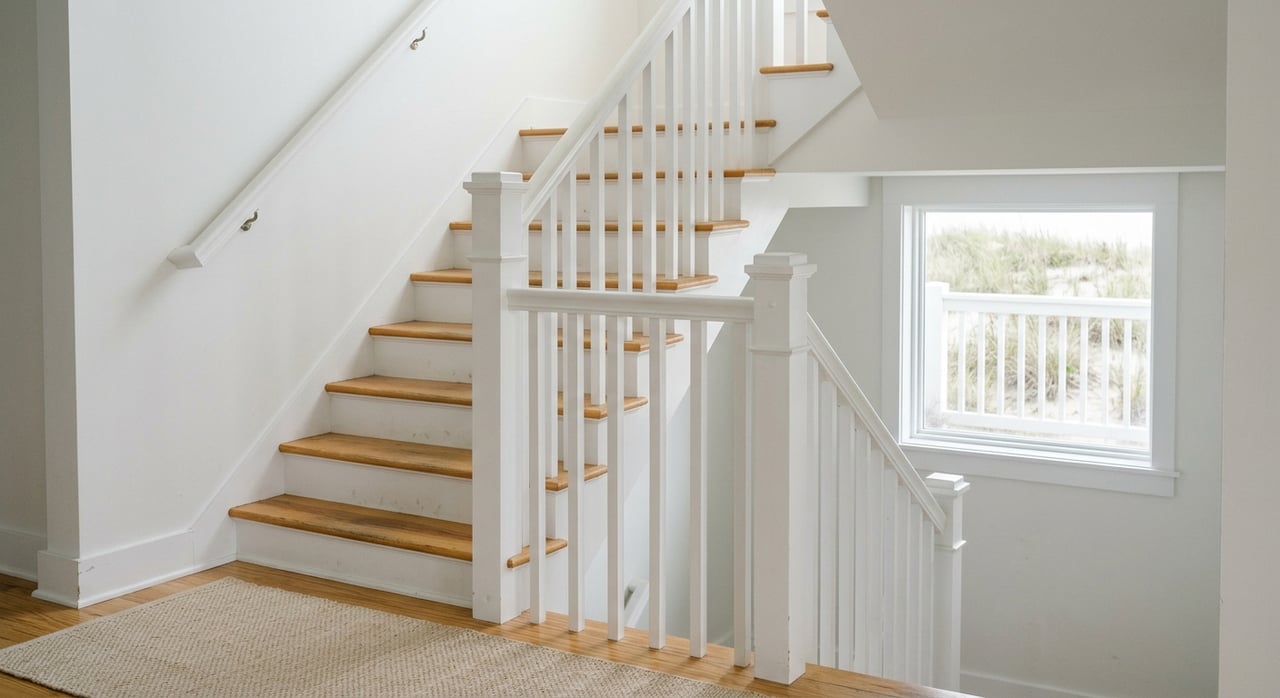
Stairs are the biggest day‑to‑day factor with a reverse plan. Count the total steps from grade to the main entry and from the bedroom level to the living area. Note handrails, landings, lighting, and whether there is a covered entry for rainy days. Safe, well‑lit treads and non‑slip surfaces are important for year‑round living.
If you want future flexibility, you have options:
- Elevators and lifts. Home elevators range widely in cost depending on type and installation complexity. National estimates show basic systems starting around the mid‑teens, with full shaft installations reaching much higher. For a general overview, see this Angi guide on home elevator costs. Vertical platform lifts and stairlifts can be more budget friendly, especially on straight runs.
- Plan for later. Some owners reinforce stacked closets or a corner of the stairwell during construction so adding an elevator later is easier. Others choose a reverse plan that includes a main‑level bedroom and bath on the living floor.
- Universal design. Features like curbless showers, lever handles, wider doors, and reachable switches make a home more livable over time. A helpful checklist is AARP’s room‑by‑room aging‑in‑place guide.
Utilities and maintenance to review
Because kitchens and living spaces are upstairs, some mechanical systems run farther than in a traditional plan. When you tour a home, ask how plumbing, HVAC, and electrical are routed and where water heaters and air handlers are located. Look for clear access panels and service space.
Pay attention to:
- Plumbing lines serving an upstairs kitchen and laundry.
- Condensate pumps and drain routing for HVAC systems.
- Wind‑rated windows, doors, and deck fasteners appropriate for a coastal setting.
- The age and service records of major systems.
Market and resale in Kill Devil Hills
Reverse plans fit coastal life, and that shows up in market appeal. Buyers and renters prize view‑forward living rooms and big decks, which can support stronger rental demand compared with similar homes that lack elevated views. Flexibility matters too. Homes that pair an upstairs great room with either an elevator or a main‑level bedroom tend to attract a wider buyer pool.
Documentation helps resale. An Elevation Certificate, engineered foundation details, and visible storm‑readiness features like shutters or elevated utilities can strengthen buyer confidence. Well‑maintained decks, railings, and stair systems are also top of mind during inspections.
A practical buyer checklist
Use this quick list when you evaluate a reverse plan in Kill Devil Hills:
- View and orientation
- Which rooms face the ocean or sound? Are dunes or vegetation blocking sightlines?
- Elevation and flood documentation
- What flood zone is the lot in? Is there a current Elevation Certificate, and how does the lowest floor compare to BFE? Check maps on the FEMA Flood Map Service Center and confirm details with Dare County Planning & Development.
- Access and daily logistics
- How many stairs lead to the main living level? Is there an exterior stair to the primary deck? Where are HVAC and water heaters located?
- Accessibility and future planning
- Is there a bedroom on the living level or a ground‑level ensuite? Is there a reasonable path for a future elevator or stairlift?
- Mechanical and maintenance
- How are upstairs kitchen and laundry lines routed? How old are the mechanicals, and is service access clear?
- Structural and permitting
- Were decks, elevators, or additions permitted? Verify with the Town of Kill Devil Hills if unsure.
- Insurance and costs
- What are current flood insurance terms? Discuss premiums with your insurer and confirm local code requirements through the North Carolina OSFM codes page.
- Resale and rental potential
- Does the layout match what typical OBX renters and buyers seek? How does it compare to nearby listings with similar views and features?
Is a reverse plan right for you
Choose based on how you live today and how you expect to live in five to ten years. If your priority is gathering with friends around a view, a reverse plan excels. If you prefer fewer stairs, focus on homes with a bedroom on the living level, an existing elevator, or a straightforward path to add one later.
The good news is that reverse plans are standard on the OBX, so you can find versions that fit your lifestyle and budget. With the right guidance, you can enjoy the views and minimize tradeoffs.
Ready to weigh your options in Kill Devil Hills or compare neighborhoods across the OBX? Connect with Suzanne Baer for practical, local guidance and a clear plan to find the layout that works for you.
FAQs
What is a reverse floor plan on the OBX
- A reverse plan puts the kitchen, living room, dining, and main deck upstairs, with most bedrooms on the lower level to capture views and elevate living spaces.
Why are many Kill Devil Hills homes upside down
- Upper‑level living maximizes ocean or sound views and places living areas above likely flood levels, aligning with common coastal building practices.
How do flood zones affect buying in Kill Devil Hills
- FEMA flood zones like AE or V influence elevation, permitting, and insurance needs; review maps on the FEMA portal and verify details with local planning staff.
Do I need an elevator in a reverse plan home
- It is not required, but consider one if stairs are a concern; evaluate costs, space for a future shaft or lift, and whether there is a bedroom on the living level.
What documents should I request before closing on a reverse plan
- Ask for a current Elevation Certificate, permits for additions or decks, service records for HVAC and plumbing, and any wind or foundation engineering details.