Want to park your car once in Duck and spend the day on foot, soaking up sunsets and shopping by the sound? If that sounds like your ideal pace, you’re not alone. Duck’s compact village core, soundside boardwalk, and multi‑use trail make everyday errands and evening strolls surprisingly easy. In this guide, you’ll see how the walkable layout works and which nearby neighborhoods deliver the most convenient “shops and sound” lifestyle. Let’s dive in.
Why Duck feels so walkable
Duck’s walkability starts with two anchors that make short trips simple: the Town Park and soundside boardwalk, and the Duck Trail multi‑use path.
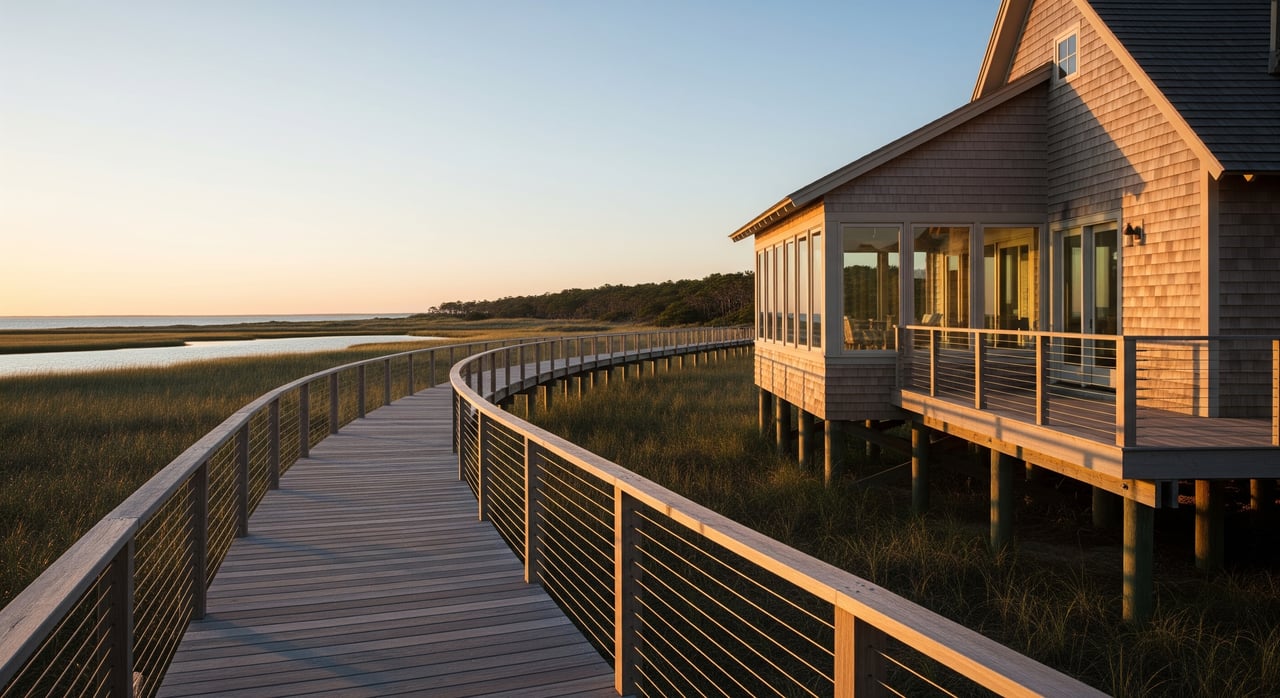
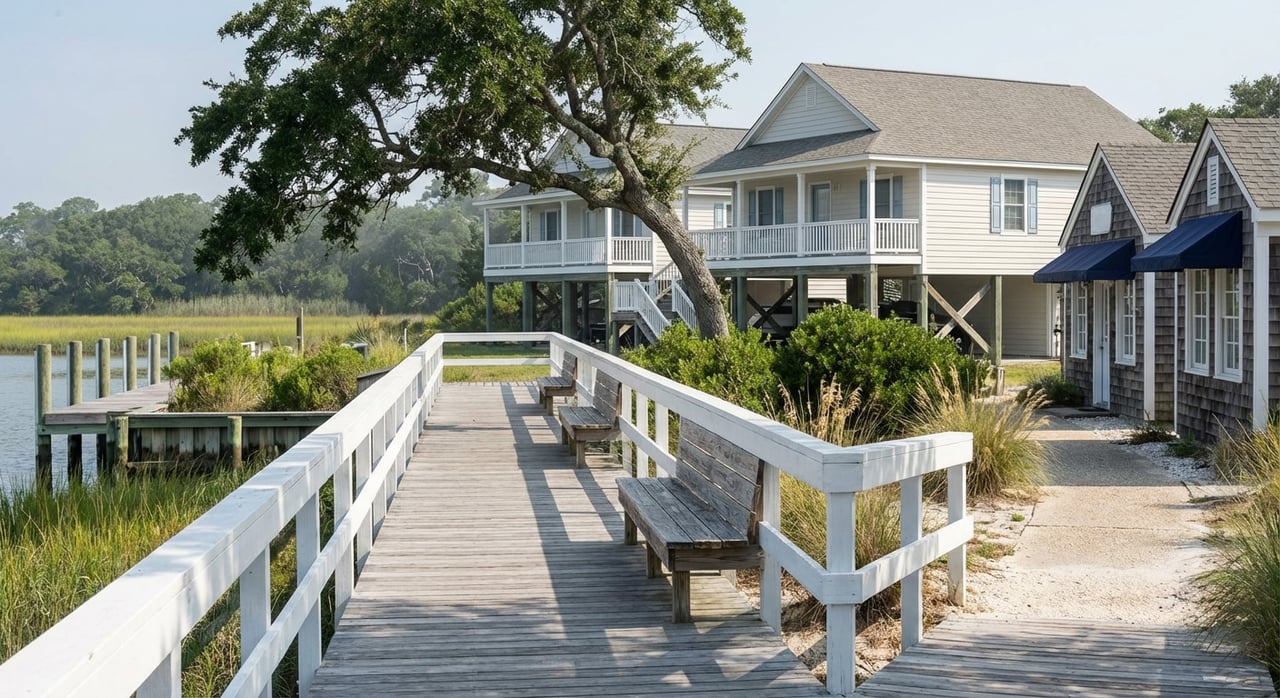
- The Town Park spans about 11 acres with trails, a playground, and an amphitheater that invites you to linger. The soundside boardwalk runs along Currituck Sound, linking waterfront shops and restaurants with scenic overlooks, kayak launches, and small public piers. The town reports the boardwalk at 3,386 linear feet and 10 feet wide, built on pilings for a stable, easy stroll. You can check hours, rules, and features on the town’s page for Duck Town Park and the boardwalk.
- The Duck Trail is a nearly six‑mile multi‑use path that stretches the length of town. Through the village area, it follows both sides of Duck Road with marked segments and half‑mile markers. It’s designed for people on foot and on bikes, and motorized vehicles are not allowed. See the town’s overview of the Duck Trail.
Shops are clustered along Duck Road and in soundfront centers, which makes quick walking loops easy once you’re parked. The Waterfront Shops in Duck sit right on the sound at 1240 Duck Road and connect into the boardwalk, so you can grab coffee, browse, and catch a sunset without moving your car.
The boardwalk experience
The boardwalk is designed for a relaxed pedestrian pace. It is open from dawn to 1 a.m., while the park itself is open from dawn to dusk. Bicycles should be walked where the boardwalk runs through the park, and skateboards, rollerblades, and motorized vehicles are not permitted. At about 0.64 miles end to end, it is roughly a 12 to 15 minute single‑direction stroll at an average walking speed. Get the latest details on hours and use from the Town Park and boardwalk page.
Duck Trail safety and updates
The Duck Trail is your through‑town connector. It links neighborhoods to the village and runs alongside Duck Road through the core. The town continues to study safety upgrades, including possible extensions on the west side of town, to reduce conflict points where existing facilities transition. Local coverage outlines these discussions in the Outer Banks Voice’s update on potential trail improvements.
Park once: how it really works
Public parking is available at Town Park’s northern and southern lots, which serve the boardwalk and the village. Duck is compact, and those lots can fill quickly on peak summer days. Plan to arrive earlier if you want the easiest space and a more relaxed walk.
A key local nuance: the Town of Duck does not maintain public ocean beach access. Beach access points in Duck are privately owned and are limited to residents, renters, and guests. There is no public parking at beach access points, and parking along state roads is not allowed. That means “park once and walk the village” is realistic for dining, shopping, and the boardwalk, but not for public beach parking. The town explains this on its page about beach access in Duck.
Neighborhoods near shops and sound
Here are the neighborhoods and clusters that best match a park‑once, walk‑everywhere village lifestyle. Always verify a specific home’s door‑to‑door distance with a map or site visit, since walk times vary by street and lot.
Village Commercial District
This is the walkable core along NC‑12 where shops, restaurants, and the soundside boardwalk come together. The Waterfront Shops at 1240 Duck Road sit on the soundfront and connect into the boardwalk. Scarborough Lane, Scarborough Faire, and Wee Winks Square add more boutiques and food options nearby. Expect sound‑side cottages and smaller condo buildings dotted just off the main road. Many properties here serve the vacation market as well as year‑round residents, which supports vibrant foot traffic. The town’s zoning map labels this area as the Village Commercial district, a good tool for orienting your search in the core. Review the Town of Duck zoning map as you compare addresses.
Bayberry Bluffs
If you want oceanside living and a short walk or bike ride into the village, Bayberry Bluffs is a repeat pick. It sits on Duck’s oceanfront dunes and many homes have deeded beach access. Listings often highlight a 10 to 20 minute walk to shops and the boardwalk, depending on the street and lot. Expect classic Outer Banks elevated homes on pilings. You can see the official subdivision name in the county’s records on the Dare County subdivision list, and rental pages commonly describe the neighborhood’s walkable vibe, like this overview from Outer Banks Rentals.
Sea Colony (Colony by the Sea)
Sea Colony is an oceanfront condominium community that offers on‑site amenities and private beach access. If you want lower‑maintenance ownership with an easy walk to the beach and a quick ride into the village, condo living can be a smart fit. The community’s official name also appears in the Dare County subdivision list, which is helpful when you filter for listings.
Soundside pockets by Town Park
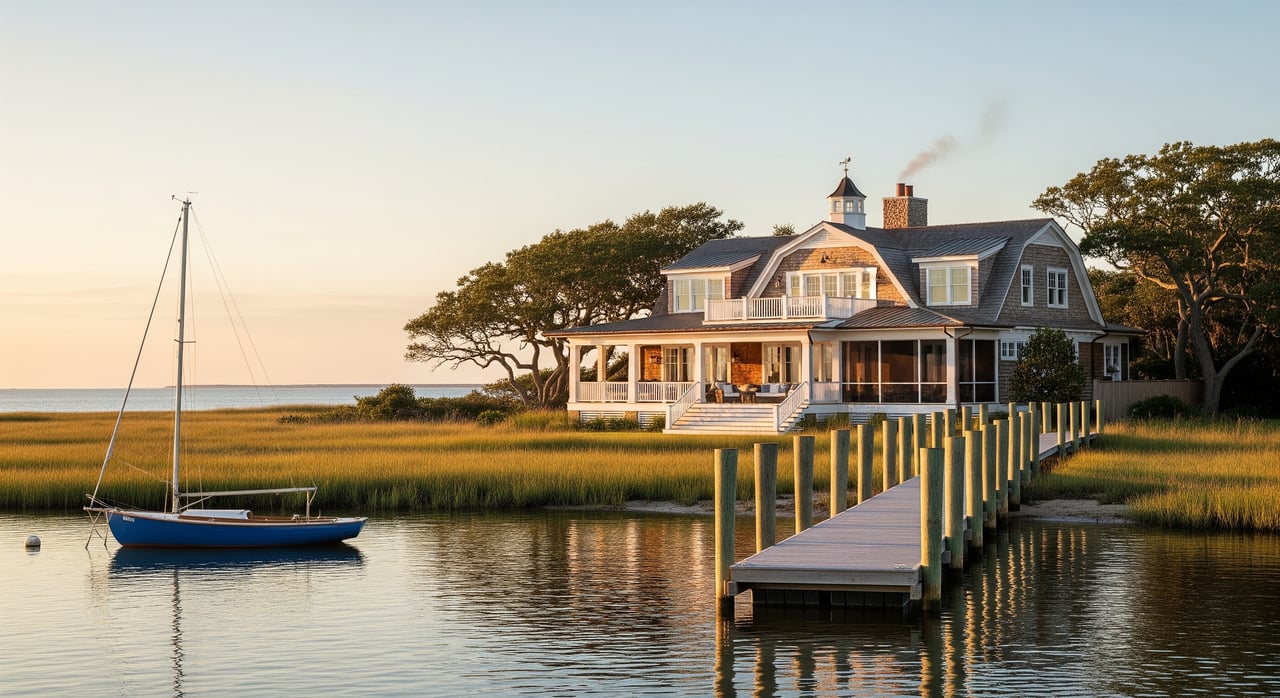
A handful of small lots and cottages sit immediately adjacent to Town Park and the boardwalk. These homes deliver the truest doorstep access to the boardwalk, with some properties offering docks or walkovers that put the soundside path just steps away. The town maintains a public kayak launch and two four‑slip transient boat piers at the boardwalk ends, which add practical, low‑key water access to a daily routine. Learn more about these amenities on the Town Park and boardwalk page.
Sanderling, Schooner Ridge, and Sea Crest Village
Sanderling sits near the north end of Duck with a quieter, treed residential character and resort amenities. Owners often value the balance of a peaceful setting with a short drive or bike ride to the village core. Smaller named subdivisions like Schooner Ridge and Sea Crest Village include a mix of oceanfront, oceanside, and near‑village homes. Use the Dare County subdivision list to confirm official community names and orient your search.
Home styles and coastal rules
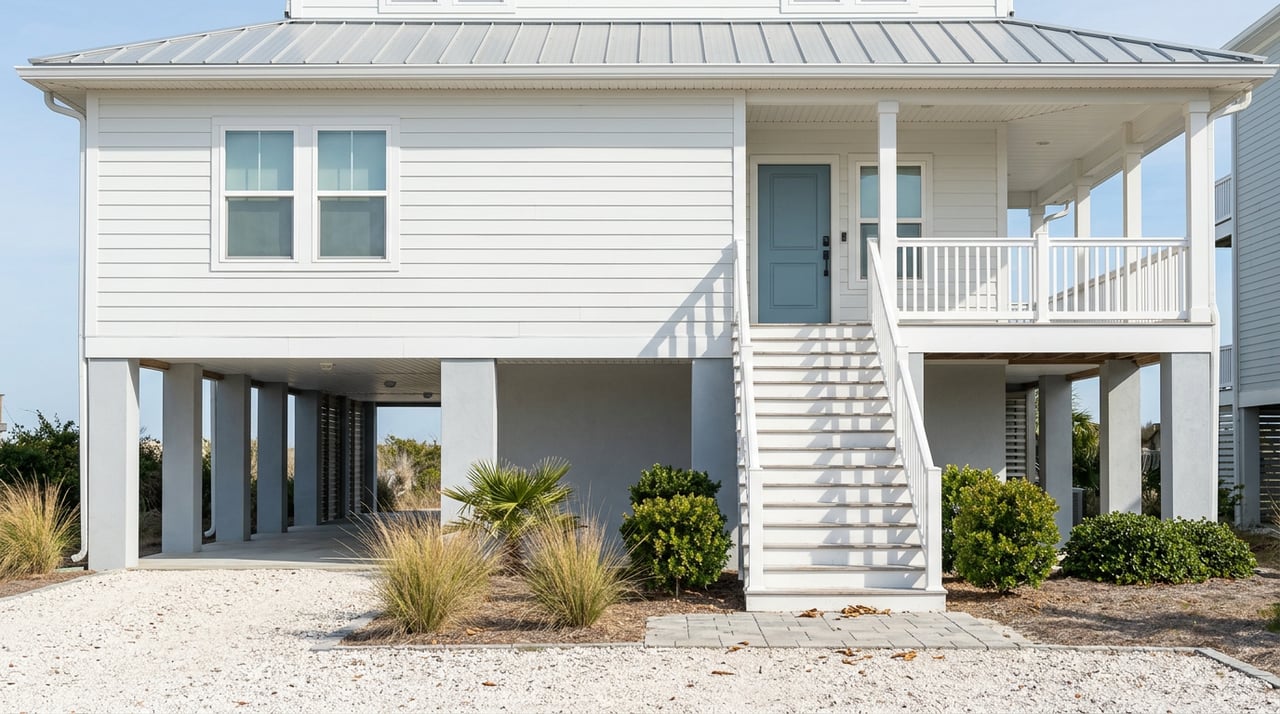
Most single‑family homes in Duck are elevated on pilings to meet coastal flood and hazard standards. You will see a lot of classic OBX forms with stacked decks, cedar or board exteriors, and modest footprints shaped by elevation and site rules. Condominium buildings cluster closer to the core and offer shared amenities with lower exterior maintenance.
If you plan to build or renovate, Duck’s Community Development Guidelines outline requirements tied to flood maps, coastal hazard areas, and features like dune walkways and decks. Those rules shape how high a structure must sit and how it can interface with dunes and the shoreline. Review the town’s Community Development Guidelines early in your planning.
Zoning districts influence setbacks, lot coverage, and parking. The residential districts (RS‑1, RS‑2, R‑2) and the Village Commercial district define what can be built and where. For a quick orientation, use the Town of Duck zoning map.
How to pick your walkable fit
Use this quick framework to narrow your options:
- Start with your day‑to‑day. Do you want to walk to morning coffee, an evening wine bar, and the boardwalk sunset? Stay close to the Village Commercial area or soundside blocks by Town Park.
- Map exact distances. Plug a specific address into your map tools and measure door‑to‑door time to the boardwalk or your favorite shops. In Bayberry Bluffs and similar oceanside spots, the route may be 10 to 20 minutes depending on the lot.
- Know beach access rules. Duck’s beach access points are private, with no public beach parking. If you need guaranteed ocean access, confirm your property’s deeded access during due diligence.
- Consider noise and traffic cycles. Summer is busier in the core. If you want quieter evenings, a slightly off‑core oceanside or soundside pocket can strike a nice balance.
- Choose maintenance level. Condos like Sea Colony offer lower exterior maintenance near the ocean. Single‑family homes give you decks, space, and more control over upgrades.
- If rental income is a goal, look near the core. Many properties in and near the village cater to short‑term rentals. Ask for rental histories and regulatory guidance before you buy.
The bottom line
Duck makes a park‑once day surprisingly simple. The Town Park and boardwalk form a scenic spine along the sound, and the Duck Trail connects homes to shops, dining, and sunsets. If you focus on neighborhoods within a short walk or bike ride of the village core, you can get the best of both worlds: everyday convenience and time on the water.
If you want help matching a property to your walkable lifestyle, reach out to Suzanne Baer. Schedule a Free Local Consultation and get practical, neighborhood‑level guidance tailored to your goals.
FAQs
How walkable is Duck’s boardwalk for daily use?
- The town reports 3,386 linear feet of boardwalk, about 0.64 miles, which is a 12 to 15 minute single‑direction stroll at an average pace. Check hours and rules on the Town Park and boardwalk page.
Are Duck’s ocean beaches open to the public?
- Access is through privately controlled points for residents, renters, and their guests, and there is no public beach parking in town. Learn more on the town’s page about beach access in Duck.
Can you ride a bike on the boardwalk and around town?
- You can comfortably bike the Duck Trail, which runs nearly the length of town. The boardwalk is intended for pedestrians, and cyclists should walk bikes on boardwalk segments. See the Duck Trail overview and the boardwalk rules.
Where should you park to walk the village and boardwalk?
- Use the public parking lots at Town Park’s north and south entrances for access to the boardwalk and village. Lots can fill on busy summer days. See details on the Town Park and boardwalk page.
Which Duck neighborhoods are best for walking to shops and the sound?
- Focus on the Village Commercial area near the boardwalk, Bayberry Bluffs, Sea Colony, soundside pockets by Town Park, and nearby planned communities like Sanderling and Schooner Ridge. Confirm a property’s exact location using the Dare County subdivision list and a map measurement before you buy.