Imagine stepping out your door for a morning walk along the water, coffee in hand, without starting the car. If you are drawn to quiet paths, sunset views, and an easy stroll to shops and restaurants, living near the Duck Boardwalk can fit your lifestyle. You may also be weighing questions about noise, parking, HOA rules, and flood risk. This guide breaks down what daily life really looks like, what types of homes you will find, how proximity affects value and rentals, and the due diligence that keeps your purchase low stress. Let’s dive in.
What living near the boardwalk means
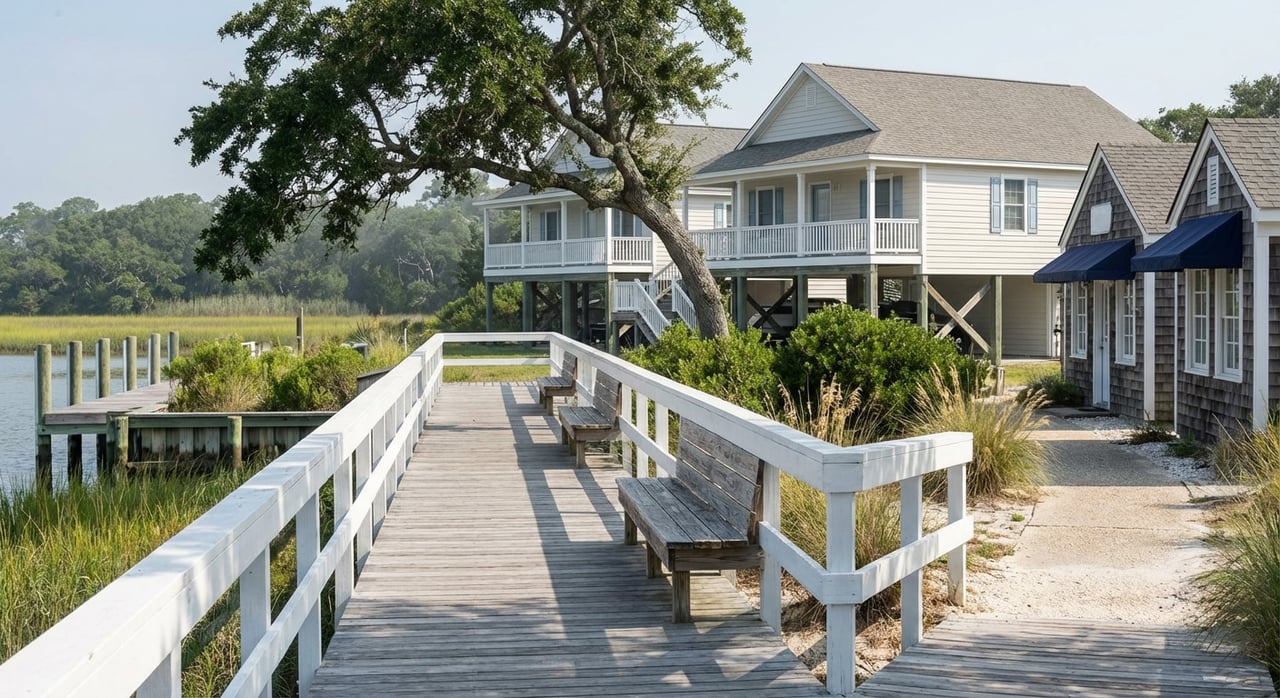
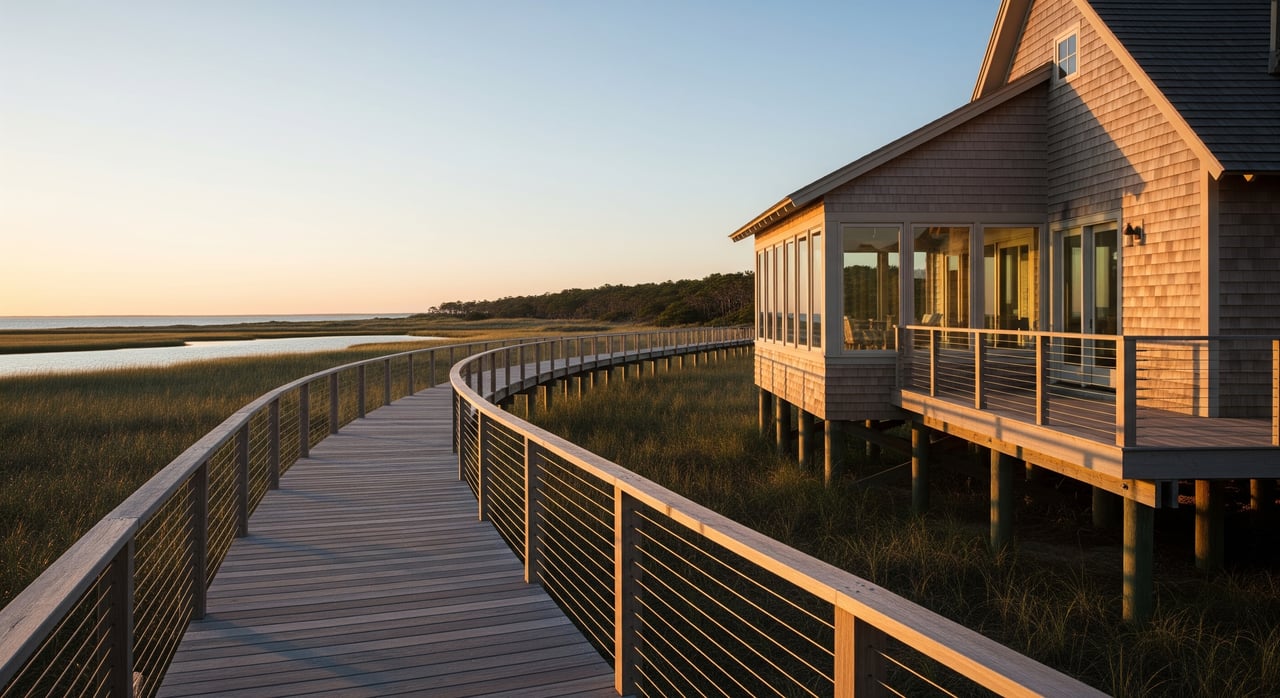
Living near the Duck Boardwalk usually means quick access to flat, scenic walking and low-impact exercise. You can often reach Duck Village businesses on foot from the closest soundside streets, while homes a bit farther out may be a short bike ride or quick drive. Expect a relaxed, neighborly routine in cooler months and more activity in summer when visitors arrive.
You will find convenient connections from neighborhood paths and greenways to the boardwalk. If mobility is a priority, look for flat, accessible paths and curb cuts that make everyday walking easier.
Neighborhoods within walking distance
Immediate soundside areas
These are closest to the boardwalk and Duck Village. You will see smaller-lot cottages, duplexes or condos, and some medium-density buildings with potential sound views. These locations often balance access and convenience for part-time residents and retirees.
Adjacent residential streets
A block or two off the sound, you will find single-family homes on larger lots, often raised on pilings. Many of these streets still offer a comfortable walk or quick bike ride to the boardwalk. They can provide a bit more privacy while keeping the amenities close.
Condo and townhouse options
Planned communities a few blocks from the boardwalk offer turnkey living that appeals to part-time owners. These often include exterior maintenance through an HOA, plus shared amenities. Units in walkable locations can attract steady buyer interest when you are ready to resell.
Oceanside considerations
Oceanside neighborhoods sit on the Atlantic side and are usually a short drive to the boardwalk rather than a simple walk. If you prefer the beach most days, you can still enjoy the boardwalk for dining and sunset walks, just plan for quick trips by bike or car.
Walkability and daily errands
Evaluate the actual route from the home to the boardwalk, not just the distance on a map. A continuous sidewalk or path, good lighting, and benches can make daily walks feel effortless. If you plan to do errands on foot, time your walk to the grocery, pharmacy, clinics, and postal services.
If you use a mobility device or simply want smoother paths, note surface conditions on neighborhood spurs and crossings. The boardwalk and soundside paths are generally flat, which helps make low-impact exercise part of your regular routine.
Seasonal rhythm and noise
Summers bring visitor traffic, seasonal events, and more pedestrian activity around the boardwalk and Village. Homes immediately adjacent to these areas can experience more noise in peak months. Winters are quieter, with a slower pace and fewer crowds.
If you value privacy, consider a location that balances access and quiet. Check the town’s events calendar and map how close stages or public gathering areas are to any home you are considering.
Home styles and construction
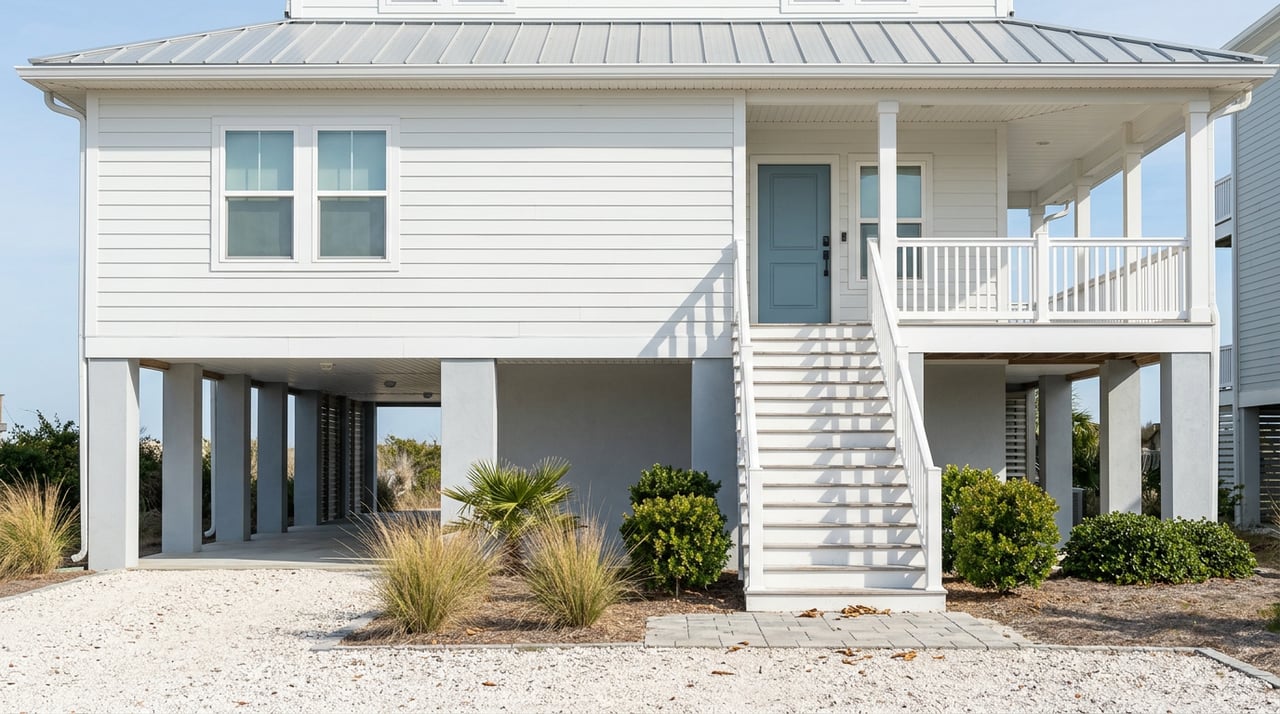
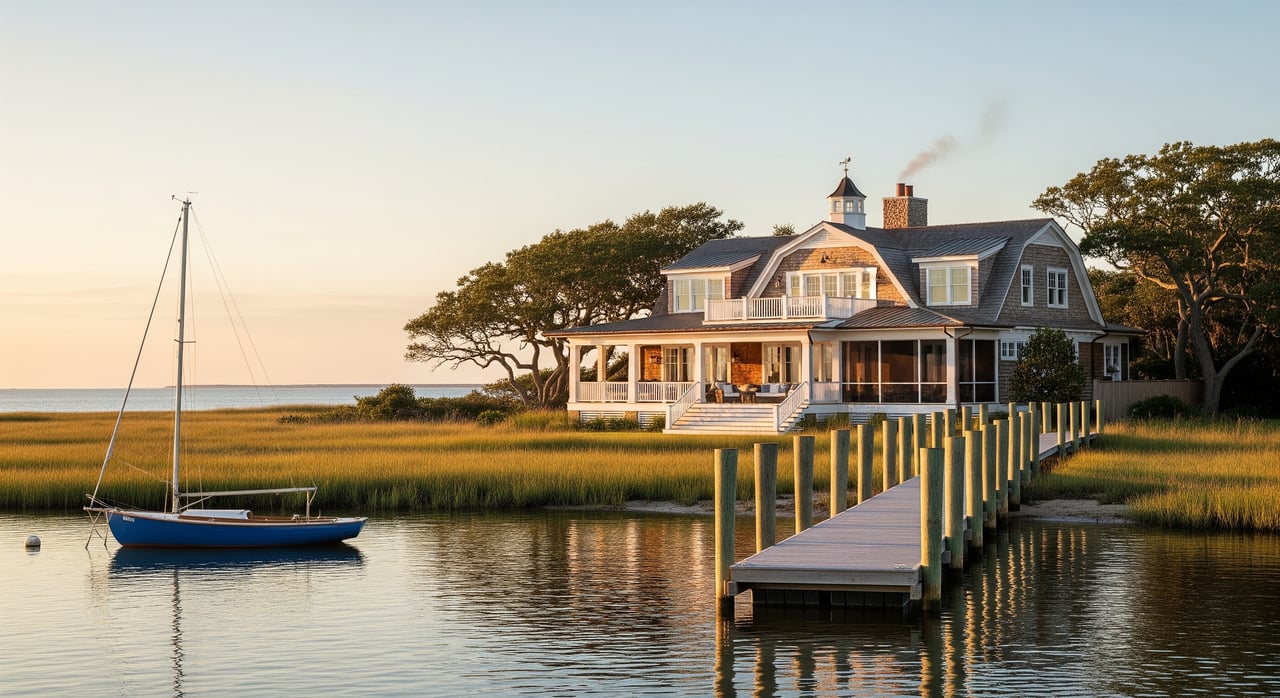
Raised coastal construction is common, with homes elevated on pilings to address flood and storm-surge risk. Near the Village, you will see traditional cottages and bungalows with porches and shingled exteriors. Newer infill or replacement homes often feature larger decks and more glass to maximize views.
Close-in parcels may include condominiums and duplexes designed for walkable access and potential rental appeal. If aging in place matters, review step counts, entry design, and options for lifts or ramps.
HOA features to review
HOA structures and fees vary, especially between condos and single-family streets. Review the documents to see what your dues cover. Common features include:
- Exterior maintenance and landscaping for shared areas
- Pool, clubhouse, and grilling or seating spaces
- Private or controlled-access walkways to the beach or boardwalk
- Trash services, seasonal leaf or light snow removal, and parking management
- Reserve funds, periodic assessments, and community storm-prep policies
For retirees, HOA-managed maintenance can be a plus. Always examine budgets, reserves, and any rental guidelines before you commit.
Parking and getting around
Many residents walk, bike, or drive depending on the day. Confirm on-street parking rules and any neighborhood restrictions, especially if you host guests. In peak summer, visitor parking near the boardwalk can be limited, so a home with a dedicated driveway or community spaces can help.
Public transit and seasonal shuttles may operate in parts of the Outer Banks. If that matters to you, check current seasonal schedules before you buy.
Value, pricing, and resale
Walkability and proximity to lifestyle amenities generally support demand and can add value over time. Homes right by the boardwalk may command a premium, which varies by view, condition, and the type of property. Turnkey condos with exterior maintenance handled can be easier to sell to part-time buyers.
If you are planning resale, think about your likely future buyer. Properties that are low maintenance, well connected to the boardwalk, and close to daily services often appeal to retirees and second-home purchasers.
Rentals and local rules
Many homes in Duck participate in short-term vacation rental markets. Being close to the boardwalk typically increases demand and peak-season rates. Before you plan for income, confirm Duck’s rules, licensing, occupancy taxes, and any HOA restrictions.
Data providers can help estimate seasonal revenue and vacancy patterns. Treat those figures as a starting point and cross-check with current rules and your HOA’s policies.
Coastal risks and upkeep
Both the soundside and oceanside face flood and storm-surge risk. Always verify the FEMA flood zone, elevation, and insurance options for any home you are considering. Flood risk and insurance premiums can vary property by property.
Plan for coastal maintenance such as deck care, siding, and corrosion prevention for HVAC. In condo communities, pay close attention to HOA reserves, capital plans, and any pending assessments. Review local tax records to estimate annual costs for your budget.
Buyer due-diligence checklist
Use this list to keep your purchase on track:
- Flood zone and elevation: confirm FEMA maps, local floodplain layers, and any elevation certificate.
- Insurance: get estimates for homeowners and flood coverage from local agents.
- Foundation and access: verify pilings, steps, handrails, and any aging-in-place features.
- HOA review: bylaws, covenants, current budget, reserve study, rental policies, and pending assessments.
- Utilities and services: water, sewer or treatment system, internet, trash, and seasonal services.
- Walk route audit: time the walk to the boardwalk and Village, note lighting and path quality.
- Events and noise: check seasonal event locations and proximity to stages or lots.
- Medical and daily services: identify nearest care, pharmacy, and grocery with drive times.
- Parking and guests: confirm on-street rules and guest parking policies.
- Rental rules and taxes: verify town licensing, registration, and occupancy tax steps.
- Permits: check for required CAMA and town permits for past or planned improvements.
- Long-term risk: look into local coastal resilience projects and planned infrastructure.
Is living here a fit?
If your ideal day includes a peaceful walk on the water, spontaneous dinners in Duck Village, and a low-driving lifestyle, the boardwalk area deserves a close look. Balance that convenience with summer crowds, HOA details, and a clear plan for flood and maintenance costs. With careful due diligence, you can find a home that fits your routine today and your resale goals tomorrow.
If you want a local, low-pressure partner to help you evaluate walkability, HOA health, rental rules, and flood considerations, connect with Suzanne Baer for a Free Local Consultation.
FAQs
Will living next to the Duck Boardwalk be noisy?
- Expect seasonal peaks in summer and during events, with quieter off-season months; homes immediately adjacent to the Village see the most pedestrian activity.
Are homes near the Duck Boardwalk more expensive?
- Walkable, amenity-adjacent properties often carry a premium, but the exact amount varies by view, condition, and current local sales data.
How does flood risk work near the Duck Boardwalk?
- Both soundside and oceanside areas face flood and storm-surge risk; always check FEMA maps, elevation, and insurance options for the specific property.
Can I use a Duck Boardwalk-area home as a vacation rental?
- Possibly, but confirm Town of Duck rental rules, licensing, occupancy taxes, and any HOA restrictions before relying on projected income.
Are HOAs common near the Duck Boardwalk?
- Many close-in condo and townhouse communities have HOAs with varied fees and amenities; review what dues cover and the association’s reserves and policies.