A second home in Duck can feel like the Outer Banks dream, but this town works a little differently than many buyers expect. If you are picturing easy beach days, occasional rentals, and a low-stress coastal retreat, the details behind access, taxes, flood rules, and private roads matter just as much as the view. The good news is that with the right questions, you can quickly tell whether a property fits your lifestyle and long-term plans. Let’s dive in.
Why Duck Feels Different
Duck is a seasonal resort community, with population and activity rising from spring through fall and peaking around the summer season. That gives the town its classic vacation feel, but it also means your experience can vary depending on when you plan to use the home.
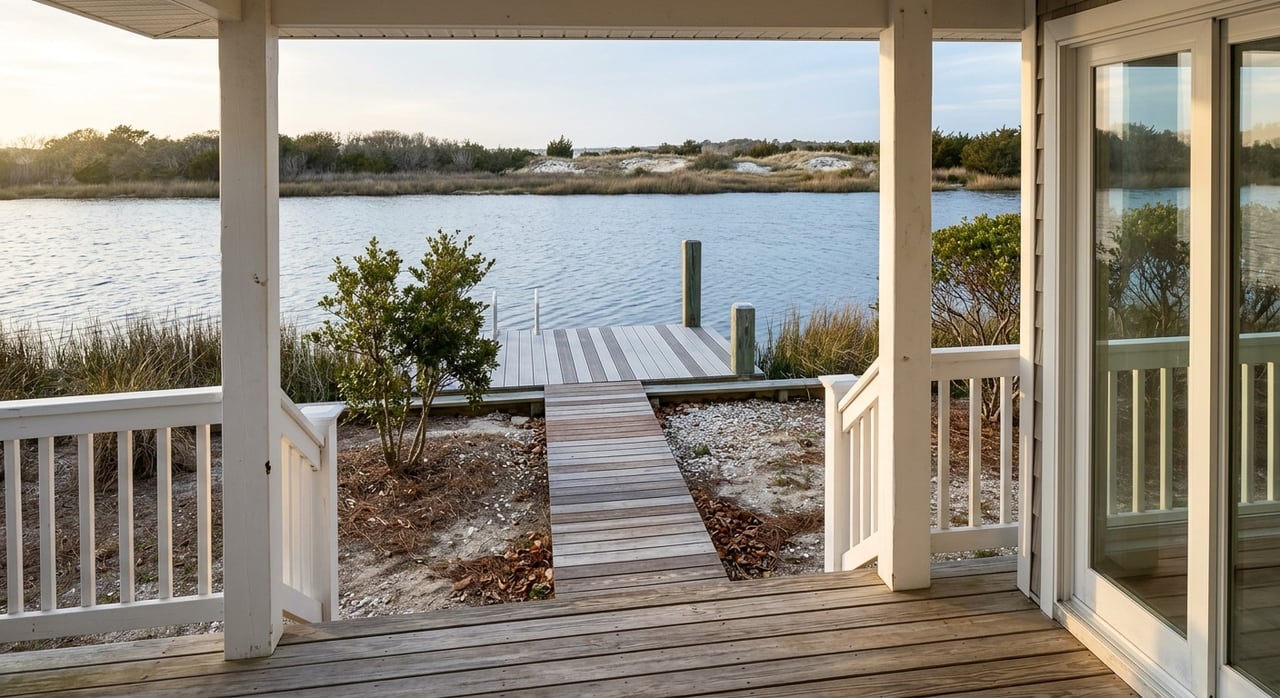
What draws many buyers is the town’s walkable character. Duck has a six-mile multi-use trail, and the Duck Boardwalk stretches nearly a mile along the Currituck Sound near Town Park. Those public spaces, along with the kayak and canoe launch and transient boat slips in Town Park, give Duck a soundside lifestyle that stands out on the Outer Banks.
Beach Access Should Be Your First Question
In Duck, beach access is not something to assume. The town does not own or maintain public beach access locations, and there are no public parking areas at beach accesses.
That means access usually depends on private arrangements tied to a neighborhood, HOA, or deeded rights. If you are considering a second home here, one of the first things you should confirm is what exact beach access comes with the property.
This can shape your day-to-day experience more than buyers realize. If you plan to host family or friends, or rent the home seasonally, access rules and guest use can have a real impact on convenience.
Soundside Amenities Add Value
For some buyers, Duck’s soundside amenities help balance the private beach model. The Town Park and Boardwalk offer easy places to walk, relax, and enjoy water views without needing to plan a beach parking strategy.
If you want a second home that feels more stroll-friendly and connected to a village core, Duck may be a strong fit. That atmosphere is part of what makes the town appealing to buyers who value a quieter coastal setting.
Understand the True Carrying Cost
The purchase price is only part of the equation with a second home in Duck. Ongoing ownership costs can be higher than buyers first expect, especially when you factor in local taxes and possible service district charges.
For fiscal year 2025-2026, Dare County’s property tax rate is 26.32 cents per $100 of value, and the Town of Duck’s rate is 18.00 cents per $100. Some properties are also located in Duck’s beach nourishment municipal service districts, which have separate rates.
MSD-A covers all properties in the project area, and MSD-B applies only to oceanfront properties. Before you make assumptions about annual cost, it is smart to verify whether the parcel falls inside one of those districts.
There is another point many second-home buyers miss. North Carolina property-tax relief programs tied to a permanent residence generally do not apply to a second home, so you should not count on that type of tax break when planning your budget.
Flood Zones and Coastal Rules Matter
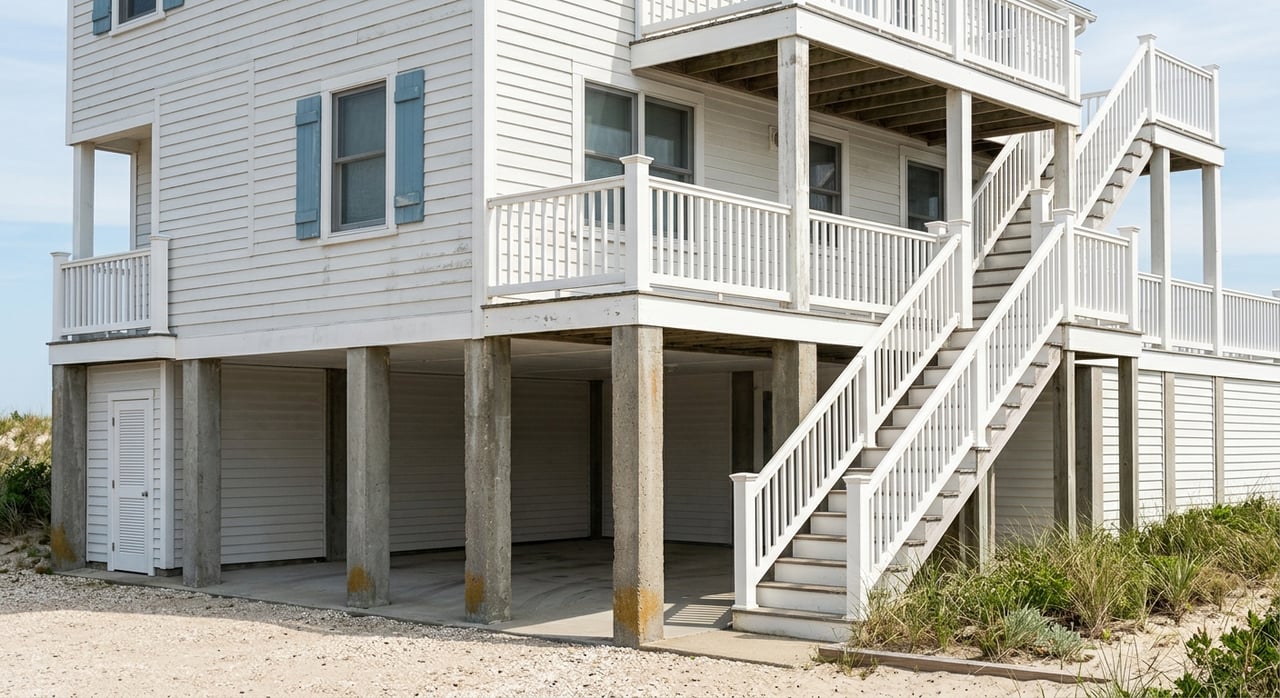
Flood risk is a major part of buying in Duck. The town notes that a large portion of development is affected by FEMA flood rules, and most development in flood zones requires a permit.
If a property is in a Special Flood Hazard Area, flood insurance is often required for federally backed mortgages. In coastal areas, V and VE flood zones deserve especially close attention because they can affect both insurance and future project costs.
Duck also has coastal permitting requirements through CAMA. The town says these rules can apply to oceanfront lots, VE flood-zone lots, and areas within 75 feet of the Currituck Sound.
This matters even if you are not planning a major renovation right away. A home that seems move-in ready today may still have limits or review requirements for future changes.
Even Small Projects Can Need Approval
Many second-home buyers focus on big items like additions or pools, but routine improvements can also trigger review in Duck. The town says permits may be required for accessory structures, pools, hot tubs, HVAC work, driveway changes, septic work, patios, walkways, and ground-level decks.
Lot coverage is another item to check early. Residential lot coverage is generally capped at 30 percent, with some stormwater-based exceptions up to 35 percent.
If you are buying with plans to add outdoor living space, improve parking, or update the exterior, these rules should be part of your due diligence. It is much easier to understand the limits before you buy than after you close.
Private Roads Can Affect Ownership
One of Duck’s lesser-known issues is road ownership. The town says it owns no streets, and roads not maintained by NCDOT are private.
That can affect practical questions like upkeep, debris removal, drainage, and access responsibilities. For a second-home owner who may not live nearby full time, that is worth reviewing carefully before moving forward.
Ask whether the road serving the home is private or state-maintained, and find out who handles maintenance. This is the kind of detail that can shape your ownership experience long after closing day.
If You Plan to Rent, Review the Rules Closely
Duck can appeal to buyers who want some personal use and some seasonal rental income. The town’s zoning code lists short-term rental homes, generally seasonal in nature, as a permitted use in residential districts.
Still, permitted use does not mean every property works the same way. Parking is a major factor, and Duck calculates required parking from septic occupancy, requires parking to be shown on a survey, and verifies it before occupancy.
The town also allows non-rental parking deferral only when the home is not in a commercial rental or leasing program. So if rental income is part of your plan, you should confirm the property’s parking setup early in the process.
At the county level, Dare County levies a 6 percent occupancy tax on rentals of private residences, cottages, and similar accommodations rented to transients. That should be built into your rental planning from the start.
North Carolina’s Vacation Rental Act also applies to rentals of fewer than 90 days. The state requires written agreements and specific disclosures about obligations, deposits, and extra fees, and landlords must keep the property safe and habitable.
HOA Rules May Be Stricter Than Town Rules
In Duck, town zoning is only part of the picture. The town’s FAQ makes clear that zoning rules are enforced by the town, while covenants are enforced by individual associations, and owners should follow the strictest standards.
That means you should carefully review neighborhood documents before you write an offer. In many second-home purchases, the practical questions are the ones that matter most.
Look closely at items like:
- Beach-access rights
- Guest parking rules
- Rental caps or rental restrictions
- Pet rules
- Amenity fees
- Road maintenance responsibilities
A property can look perfect online and still be a poor fit if the association rules do not line up with how you plan to use it.
Hurricane Season Should Be Part of Your Plan
Owning in Duck also means preparing for coastal weather. The town says Atlantic hurricane season runs from June 1 through November 30, and Duck’s evacuation route is NC 12 south to US 158 west.
If this will be your second home, think through storm prep before you buy. You should know your flood zone, understand the evacuation route, and have a clear plan for the home during severe weather or extended vacancies.
This is especially important if you expect to rent the property, use vendors for maintenance, or spend long stretches away. A practical storm plan is part of responsible ownership on the Outer Banks.
Duck Versus Nearby OBX Towns
Duck is not the only option for a second home on the northern Outer Banks, and comparing access styles can help you decide where you fit best. Nearby towns handle beach access very differently.
Kitty Hawk has many public beach accesses with parking. Kill Devil Hills has numerous public beach and sound accesses with parking, plus separate overnight parking permit rules. Southern Shores has limited town-owned beach-access parking spaces with permit rules, and the Corolla 4x4 area uses seasonal beach parking permits through Currituck County.
If you want a quieter town with private-access patterns and a walkable village feel, Duck may be the right match. If you want easier public parking for guests or simpler beach-day logistics, another Outer Banks town may suit you better.
A Smart Offer-Day Checklist
Before you make an offer on a second home in Duck, it helps to slow down and verify the details that most often affect ownership. A focused checklist can keep you from learning expensive lessons after closing.
Use these questions as a starting point:
- What exact beach access comes with the property?
- How many off-street parking spaces are available?
- Is the property in a flood zone or CAMA area?
- Is the parcel in Duck MSD-A or MSD-B?
- Is the road private or NCDOT-maintained?
- Are there HOA rental limits or guest rules?
- Who handles storm prep and year-round maintenance?
- What is the evacuation plan during hurricane season?
The best second-home purchase is not just the one with the best photos or the highest rental potential on paper. It is the one that fits how you want to use the property, what you want to spend, and how much complexity you are comfortable managing over time.
If you are weighing a second home in Duck, local guidance can make the process much clearer. Suzanne Baer offers practical, hands-on insight to help you evaluate access, coastal rules, rental considerations, and the day-to-day realities of owning on the Outer Banks.
FAQs
What should you check first when buying a second home in Duck?
- Confirm the property’s beach access rights, parking setup, flood zone, HOA rules, and whether the road is private or state-maintained.
Are there public beach access parking areas in Duck?
- No. The town says it does not own or maintain public beach access locations, and there are no public parking areas at beach accesses.
Can you use a Duck second home as a short-term rental?
- Short-term rental homes are generally permitted in Duck’s residential districts, but you still need to review parking requirements, HOA rules, county occupancy tax, and state vacation rental requirements.
Do Duck second-home owners pay more than basic property taxes?
- They may. In addition to Dare County and Town of Duck property taxes, some properties are also in municipal service districts tied to beach nourishment.
Do flood zones affect a second-home purchase in Duck?
- Yes. Flood zones can affect insurance needs, mortgage requirements, permitting, and the cost or scope of future improvements.
Are HOA rules in Duck important for second-home buyers?
- Yes. HOA covenants can be stricter than town zoning, so you should review items like beach access, guest parking, rental restrictions, pet rules, and fees before making an offer.