Trying to choose between a historic cottage and a new build in Nags Head? It is a more important decision than simply picking the home that looks best in photos. You are weighing charm, upkeep, flood considerations, zoning context, and the kind of ownership experience you want long term. This guide will help you compare both options in a practical, local way so you can move forward with more confidence. Let’s dive in.
What “historic cottage” means in Nags Head
In Nags Head, a historic cottage is more than an older beach house. The town’s Historic Character Area covers the northern half of town between E. Hollowell Street and Danube Street and includes Historic Cottage Row, Jockey’s Ridge, Soundside Road, and nearby blocks.
That area reflects what the town describes as Old Nags Head style architecture. Historic Cottage Row, in particular, is a mile-long oceanfront stretch with about 41 contributing homes that was listed on the National Register of Historic Places in 1977.
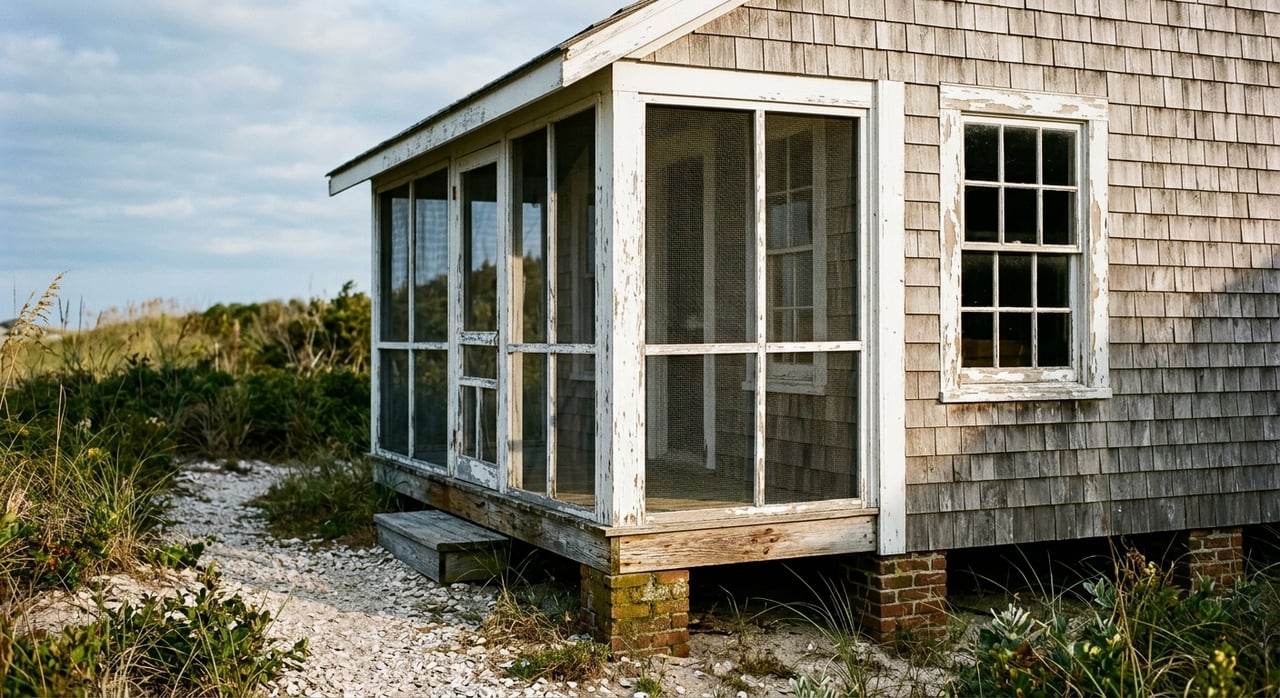
The look is distinct and easy to recognize once you know what to watch for. Common features include large wraparound porches, built-in benches, propped-shutter windows, full-width dormers, gabled roofs, and weathered cedar shakes that are often left unpainted.
For you as a buyer, that matters because a true historic cottage comes with context. It is part of a broader architectural pattern that the town has worked to preserve through zoning overlays and development standards.
What a new build offers
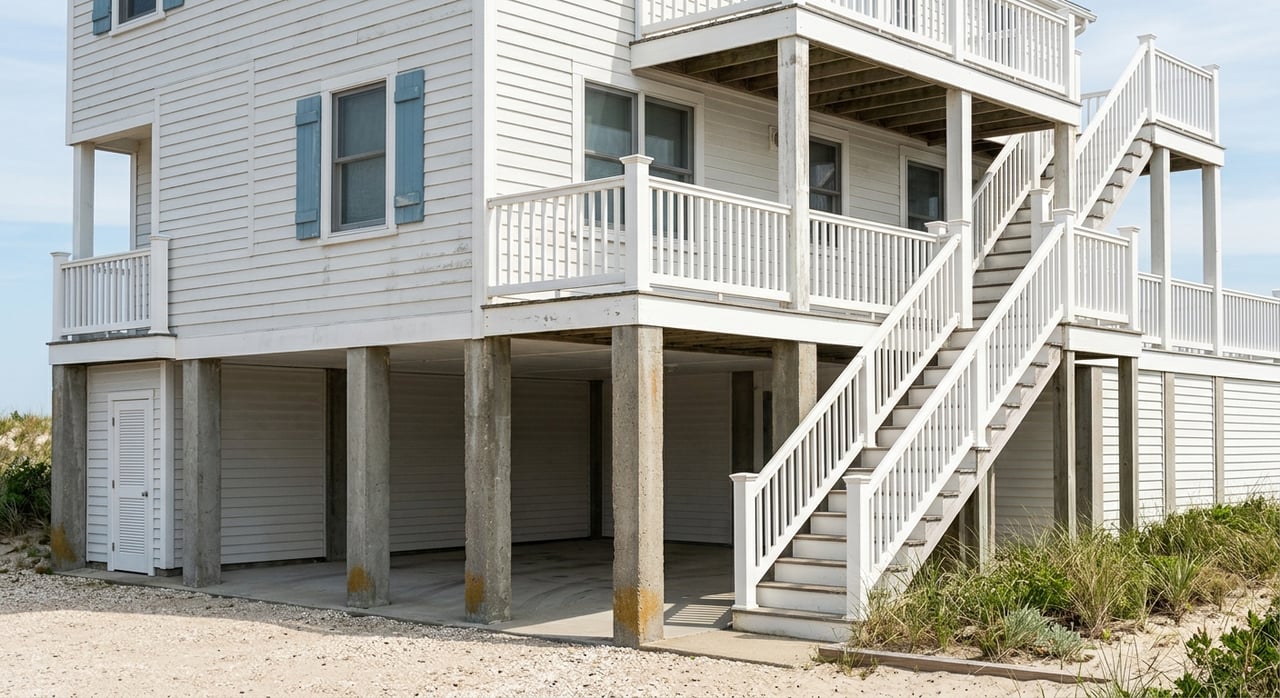
A new build in Nags Head often appeals to buyers who want a more predictable ownership experience in the near term. In many cases, that can mean newer materials, fewer immediate repairs, and a home designed around current construction and elevation expectations.
Still, newer does not always mean unrestricted. In and around the historic core, Nags Head has been actively shaping development so that newer projects better match the area’s scale and character.
In 2023, the town proposed rezoning parts of the Historic Character Area because the existing C-2 district was viewed as too intense for the area. The proposed changes would move some parcels to R-3 or to a new C-5 Historic Character Commercial district, both intended to be more compatible with existing land use and smaller in scale.
That means your comparison is not simply old versus new. A new home near the historic core may still need to fit a more restrained development pattern, while a newer home elsewhere in town may function more like a conventional coastal property.
How zoning can affect your choice
Zoning matters because it shapes what already exists and what may be possible in the future. If you are buying with long-term plans in mind, this can influence how comfortable you feel with a property.
In the R-3 district, single-family dwellings generally require at least a 15,000-square-foot lot. Duplexes generally require at least 22,000 square feet, and residential lot coverage is limited to 33 percent.
The proposed C-5 district is described by the town as smaller scale and less intense than C-2. It is intended to fit the charm and character of the nearby historic district and surrounding residential uses.
If you are comparing two homes, ask how each one fits within its zoning setting. That is especially useful if one property is near the historic core and the other is in a part of town with a more conventional development pattern.
Character versus convenience
This is usually the heart of the decision. A historic cottage tends to offer a stronger sense of place, smaller scale, and design details that feel tied to Old Nags Head.
If you love porches, cedar shake texture, and architecture with a story, that can be a real draw. For many buyers, that character is not a small bonus. It is the main reason to buy.
A new build usually appeals to buyers who want less near-term friction. You may prefer updated systems, a more current layout, and fewer immediate maintenance projects after closing.
Neither path is automatically better. The right answer depends on whether you value architectural character more, or whether you want a smoother ownership ramp-up in the first few years.
Flood risk matters for both
No matter which style you prefer, flood risk needs to be part of your decision in Nags Head. This is not only a concern for older homes or oceanfront properties.
The town has participated in the National Flood Insurance Program since 1978. It states that federally backed flood insurance is required in Special Flood Hazard Areas, that buildings in those areas must meet minimum elevation and construction requirements, and that a floodplain development permit is part of the permitting process.
Nags Head also uses a local elevation standard of 12 feet east of NC 12/SR 1243 and 9 feet west of that line. The town also notes that participation in FEMA’s Community Rating System gives property owners a 20 percent flood insurance premium reduction.
For you, the key point is simple. Whether you buy a cottage or a new build, you need to understand the flood zone, elevation, and permitting history before you make an offer.
Shoreline realities are part of ownership
In Nags Head, shoreline management is part of the bigger ownership picture. The town’s program is designed to help protect existing development and infrastructure from storm surge, sea level rise, and shoreline migration through beach nourishment and dune management.
The town also runs an ocean sand relocation program that allows ocean-side owners to move accumulated sand back onto dunes and the beach. It describes beach nourishment as ongoing maintenance that helps protect access, natural beauty, ecological vitality, and the community’s economic viability.
This matters because coastal ownership here is active, not passive. Even a newer home is still part of a shoreline environment that requires long-term awareness.
If you are focused on ease, remember that new construction does not remove coastal exposure. It may reduce some near-term repair concerns, but it does not change the shoreline setting.
Maintenance differences to expect
Historic cottages often ask more of you over time. That can include exterior upkeep, material preservation, and, in some cases, structural work tied to elevation or rehabilitation.
A useful example comes from the North Carolina State Historic Preservation Office’s discussion of the 1934 Williford Cottage in Nags Head. It notes that the traditional cedar shake beach cottage was preserved through rehabilitation and elevation to match other elevated beach cottages on the barrier island.
That example shows that older cottages can remain viable and beautiful. It also highlights why they may require more hands-on upkeep than a newer home.
A new build may offer lower near-term maintenance, but you should still look closely at the basics. Roof age, exterior materials, and the home’s exposure to wind, salt, and moisture still matter in any coastal market.
What the market suggests right now
The latest Outer Banks Association of REALTORS® MLS report shows an active but selective market. For May 2026, residential inventory was down 3 percent year over year, residential sales were up 10 percent, single-family sales were up 14 percent, and the residential median sale price was up 4 percent.
For Nags Head specifically, year-to-date residential sales were 89, down 9 percent, with a median sale price of $587,500, down 7 percent. Average and median residential days on market were 71 and 67.
The public report does not break out historic cottages versus newer construction. So it does not prove which style is more in demand.
What it does suggest is that buyers are paying attention to condition, presentation, and total ownership cost. That is helpful if you are deciding between a home with character and one with a potentially simpler maintenance profile.
A practical way to decide
If you are still torn, narrow the question to your lifestyle and risk tolerance. The best choice is often the one that fits how you want to use the property, not just how it looks on day one.
A historic cottage may be the better fit if you value:
- Distinctive Old Nags Head character
- Large porches and smaller-scale design
- A stronger sense of architectural history
- The experience of owning something unique
- The willingness to take on more upkeep or rehab needs
A new build may be the better fit if you prioritize:
- Lower near-term maintenance
- Easier alignment with current flood and construction expectations
- More predictable systems and materials
- A simpler move-in experience
- Function over historic detail
What to compare before making an offer
Before you choose either option, compare the details that most directly affect ownership. In Nags Head, a few items can tell you a lot very quickly.
Focus on these items first:
- Flood zone
- Elevation certificate
- Roof age
- Exterior condition
- Any zoning issues tied to the property location
- Any nonconforming issues tied to the home or lot
These are the practical checkpoints that can help you avoid surprises. They also give you a clearer picture of the true cost of ownership beyond the listing price.
In Nags Head, the decision is rarely just old versus new. It is really a choice between architectural character and lower-friction ownership, with flood exposure, shoreline conditions, and town rules shaping both sides of the equation.
If you want help comparing cottages, newer homes, or both in Nags Head, Suzanne Baer can help you look past the surface and focus on the details that matter most for your goals.
FAQs
What makes a home a historic cottage in Nags Head?
- In Nags Head, a historic cottage is more than an older home. It is typically part of the town’s recognized Old Nags Head architectural pattern, especially within the Historic Character Area and places like Historic Cottage Row.
Are new builds in Nags Head easier to own than historic cottages?
- New builds may offer lower near-term maintenance and more current construction standards, but they still face the same coastal realities of flood risk, salt exposure, and shoreline conditions.
Do historic cottages in Nags Head have more maintenance needs?
- Often, yes. Historic cottages may require more hands-on upkeep, exterior preservation, or structural work such as rehabilitation or elevation, depending on the property.
What flood issues should buyers check in Nags Head?
- Buyers in Nags Head should review the flood zone, elevation certificate, insurance requirements, and whether the property meets local elevation and floodplain permitting standards.
Does zoning affect historic cottages and new homes in Nags Head?
- Yes. Zoning can shape lot size, lot coverage, development intensity, and compatibility with the surrounding area, especially in or near Nags Head’s Historic Character Area.
Is the Nags Head market favoring historic cottages or new construction?
- The current MLS data does not separate demand by home age or style, but it suggests buyers are focused on condition, presentation, and total ownership cost when comparing properties.