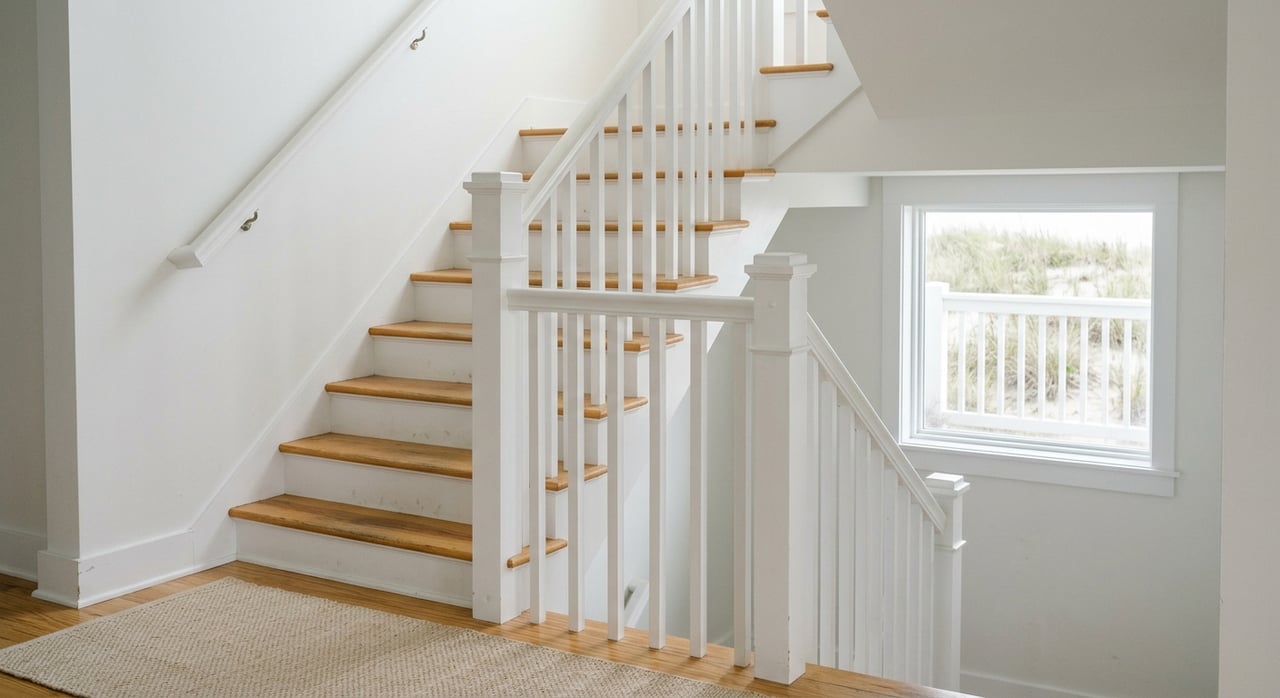
Wondering whether it makes more sense to fix up your Nags Head home or sell it as is? You are not alone. Many sellers want the best possible price, but they also do not want to pour money into updates that may not pay off. The good news is that with the right local strategy, you can make a smart decision based on market conditions, likely buyer expectations, and the realities of coastal ownership. Let’s dive in.
What the Nags Head market suggests
In June 2026, Realtor.com reported 117 homes for sale in Nags Head, a median listing price of $824,500, homes selling for about 98% of asking price, and a median 48 days on market. Redfin reported a median sale price of $746,253 and 57 median days on market over the prior three months.
That tells you something important. Sellers can still achieve strong pricing, but buyers have room to negotiate. In a market like this, condition and presentation matter, especially when buyers are comparing several options.
County-level data supports that picture. Zillow placed Dare County’s typical home value at $604,427, with 666 homes for sale and a 0.970 median sale-to-list ratio in late spring 2026. In plain terms, buyers are not ignoring flaws, so updates should be judged by whether they truly improve first impressions or solve problems that affect value.
When updating your home makes sense
Not every project is worth doing before you list. The best pre-sale updates are usually the ones that are visible, practical, and relatively low-disruption.
According to the 2025 Remodeling Impact Report from NAR, 46% of buyers are less willing to compromise on condition. The same report found that the projects REALTORS most often recommend before selling are painting the entire home, painting one room, and new roofing.
For many Nags Head sellers, that means small, strategic work can be the sweet spot. If your home has peeling paint, worn entry features, or obvious maintenance issues, those items may affect buyer confidence more than you expect.
Updates with stronger payoff potential
Regional cost-versus-value data for the South Atlantic shows some projects tend to recoup more of their cost than others. Stronger returns were reported for:
- Garage door replacement
- Steel entry door replacement
- Manufactured stone veneer
- Fiber-cement siding replacement
- Midrange minor kitchen remodel
More moderate returns were reported for:
- Composite deck additions
- Vinyl window replacement
- Midrange bathroom remodels
- Asphalt shingle roof replacement
In a coastal market like Nags Head, visible improvements often carry extra weight because buyers quickly notice wear from salt air, wind, and moisture exposure. Fresh paint, entry door improvements, siding touch-ups, and targeted roof repair can help a home feel better cared for without turning your sale prep into a major construction project.
When selling as is may be the better move
Sometimes the smartest decision is to skip the big renovations and price your home accordingly. This is especially true if your property already shows reasonably well and the work you are considering is more about style than function.
The same South Atlantic cost-versus-value report shows that larger discretionary remodels often recover far less. A midrange major kitchen remodel returned 50.2%, a midrange primary suite addition returned 35%, a midrange bathroom addition returned 51.4%, and an upscale bath remodel returned 41.4%.
That matters if you are debating a big project right before listing. If the remodel is expensive, time-consuming, and unlikely to return its full cost, selling as is may protect your bottom line better.
Selling as is often fits these situations
Selling as is can make sense when:
- Your home is functional and presents well enough now
- The needed changes are mostly cosmetic preferences
- You would need to spend heavily just to match nearby listings
- You want to avoid permit delays, contractor scheduling, or extra carrying costs
- Coastal risk or insurance concerns matter more than a new finish or design trend
In other words, if buyers are more likely to focus on location, rental usability, or flood-related factors than a fully updated kitchen, major renovations may not be the best use of your money.
Why coastal factors matter in Nags Head
In Nags Head, the update-or-sell decision is not just about countertops and paint colors. Coastal ownership comes with practical issues that can shape buyer interest and pricing.
Dare County warns that homeowners insurance does not cover flood damage. Flood insurance may be required for federally backed mortgages, and coastal erosion or location in the Coastal Barrier Resources System can affect insurance availability.
For many buyers, especially second-home and investment buyers, these factors can carry more weight than cosmetic upgrades. A clean, well-maintained home with clear property details may be more attractive than a freshly remodeled home with unanswered insurance or flood-risk questions.
Fix water and safety issues first
If you are deciding where to spend money, start with items that affect safety, water intrusion, or buyer confidence. That may include roof issues, drainage concerns, visible damage, or deferred exterior maintenance.
A practical Nags Head approach is to address safety and water-risk items first, then handle low-cost visual improvements that sharpen first impressions. Larger remodels usually make more sense only when they solve a clear functional problem or meaningfully expand your buyer pool.
Think about your likely buyer
Different buyers notice different things. In Nags Head, it helps to think about who is most likely to purchase your property.
Primary-residence buyers
Buyers looking for a primary home are often less tolerant of visible deferred maintenance. Since NAR reported that 46% of buyers are less willing to compromise on condition, obvious upkeep issues can create friction during showings and negotiations.
For this group, paint, roof condition, and general maintenance can have an outsized effect. They may be more likely to compare your home based on move-in readiness.
Second-home buyers
Second-home buyers often care about ease of ownership. In coastal Dare County, that can include flood insurance questions, erosion considerations, and how much work the home will need after closing.
If your home is easy to maintain and the property details are clear, you may not need a major remodel to appeal to this buyer. Reducing uncertainty can be just as valuable as updating finishes.
Investor and short-term rental buyers
Nags Head allows residential short-term rentals in every zoning district. The town defines whole-house rentals as full-home rentals of fewer than 30 days, while partial-house rentals are limited to up to two guest rooms and require one additional parking space.
That means investors may focus less on luxury updates and more on whether the property is already usable with minimal extra spending. Parking, layout, and compliance can be central to value.
Check local rules before you renovate
Before you commit to updates, it is smart to review how local requirements could affect cost and timing. In Nags Head, Planning and Development handles permits and inspections for work that must comply with the North Carolina Building Code, local zoning and stormwater rules, NFIP requirements, and CAMA.
The town also notes that much of Nags Head is served by on-site wastewater systems. If you are considering adding bedrooms, bathrooms, or square footage, septic capacity is something to verify before spending money.
Projects that deserve extra caution
Take a closer look before moving forward with work that changes:
- Structure
- Rooflines
- Drainage
- Bedrooms
- Bathrooms
- Rental use
The town notes that staff can help homeowners evaluate permits and retrofit options. Dare County also notes that flood vents, elevation, and elevation certificates can affect flood-risk mitigation and insurance rating. Those details can matter as much as the visible finish work.
A practical way to decide
If you are torn between updating and selling as is, keep the decision simple. Focus on the changes most likely to protect value, improve first impressions, and reduce buyer objections.
Here is a useful framework for Nags Head sellers:
- Fix items tied to safety, leaks, water intrusion, or obvious exterior wear.
- Complete low-cost, high-visibility updates such as paint or entry improvements.
- Review whether larger projects solve a real functional issue.
- Consider whether your likely buyer will care more about condition, ease of maintenance, or rental usability.
- Avoid major spending unless it is likely to widen the buyer pool or prevent steep negotiation.
The goal is not to create a perfect home. The goal is to make a sound financial decision based on your property, your timeline, and the realities of the Nags Head market.
If you want help weighing your options, local guidance matters. A boutique OBX brokerage can help you sort out which repairs are worth making, which updates are unlikely to pay off, and how to position your home for the right buyer. When you are ready for practical, place-based advice, connect with Suzanne Baer.
FAQs
Should I remodel my kitchen before selling a home in Nags Head?
- Usually, only if the kitchen has a clear functional problem or seriously hurts buyer appeal. Regional cost-versus-value data showed a midrange major kitchen remodel returned 50.2%, while a midrange minor kitchen remodel performed better at 109.2%.
What home updates matter most before listing in Nags Head?
- Paint, visible exterior maintenance, entry improvements, and roof-related work are often the most practical pre-listing updates because buyers are less willing to compromise on condition and these projects can improve first impressions.
Is selling a home as is a good option in Nags Head?
- Yes, it can be a smart option when the home already shows well enough, when needed work is mostly cosmetic, or when major remodeling costs are unlikely to be recovered in the sale price.
Do short-term rental rules affect home value in Nags Head?
- They can. Nags Head allows residential short-term rentals in every zoning district, so investors may pay close attention to rental usability, parking, and whether the property can be used with minimal additional work.
What should I check before updating a Nags Head coastal home?
- Review permit needs, zoning, stormwater, flood-related requirements, and septic capacity if your project changes bedrooms, bathrooms, structure, or square footage.