Selling a home in Southern Shores is about more than putting a sign in the yard and waiting for beach-house buyers to appear. You want your home to feel appealing, but you also want it to feel easy to understand, easy to evaluate, and easy to buy. In a coastal market where pricing, condition, permits, and documentation can all shape a buyer’s confidence, smart preparation can help you avoid surprises and protect your position. Let’s dive in.
Why smart prep matters in Southern Shores
Southern Shores has a distinct identity on the Outer Banks. It was founded as a resort community and is known today as a quieter, more residential beach town between Kitty Hawk and Duck. That means many buyers are weighing not only the house itself, but also the day-to-day coastal lifestyle the property offers.
Current market snapshots point to a high-value market where details still matter. Recent reports show differences between median sale price, average value, and median list price, but the broader story is consistent: inventory remains modest, homes can still take several weeks to sell, and price sensitivity is real. Even in a seller-leaning market, buyers are paying attention to presentation, documentation, and whether a home feels worth the ask.
Start with the home’s visible condition
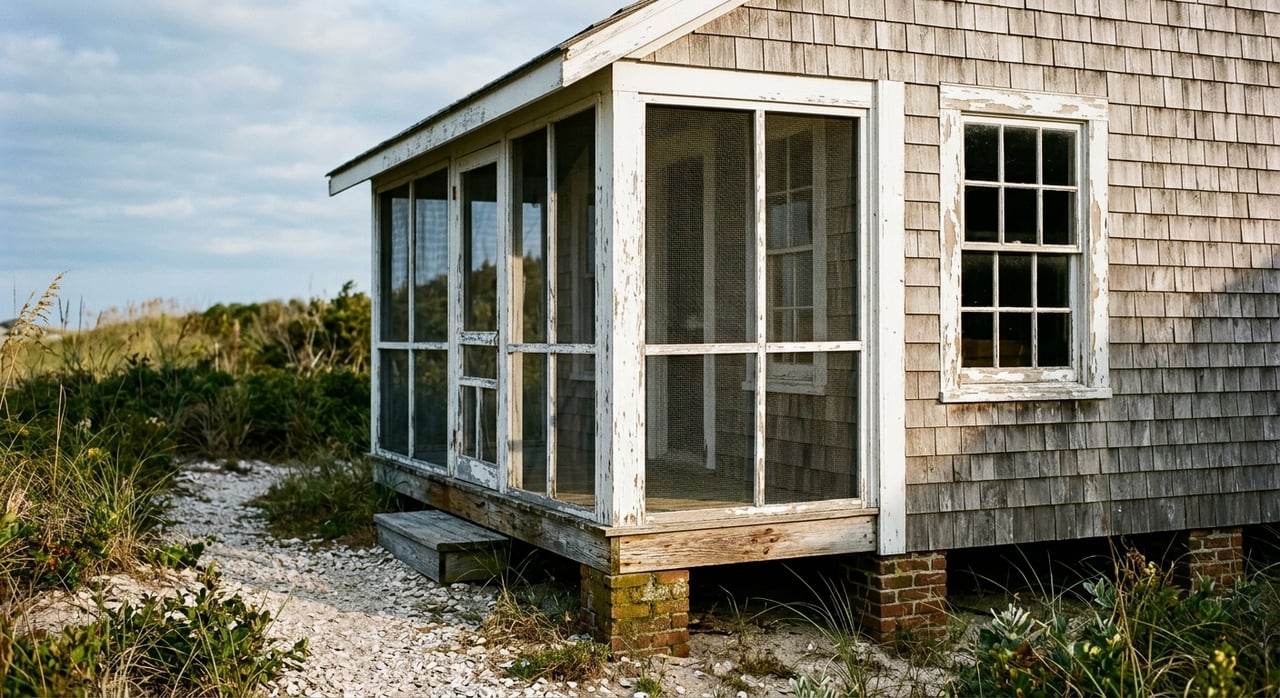
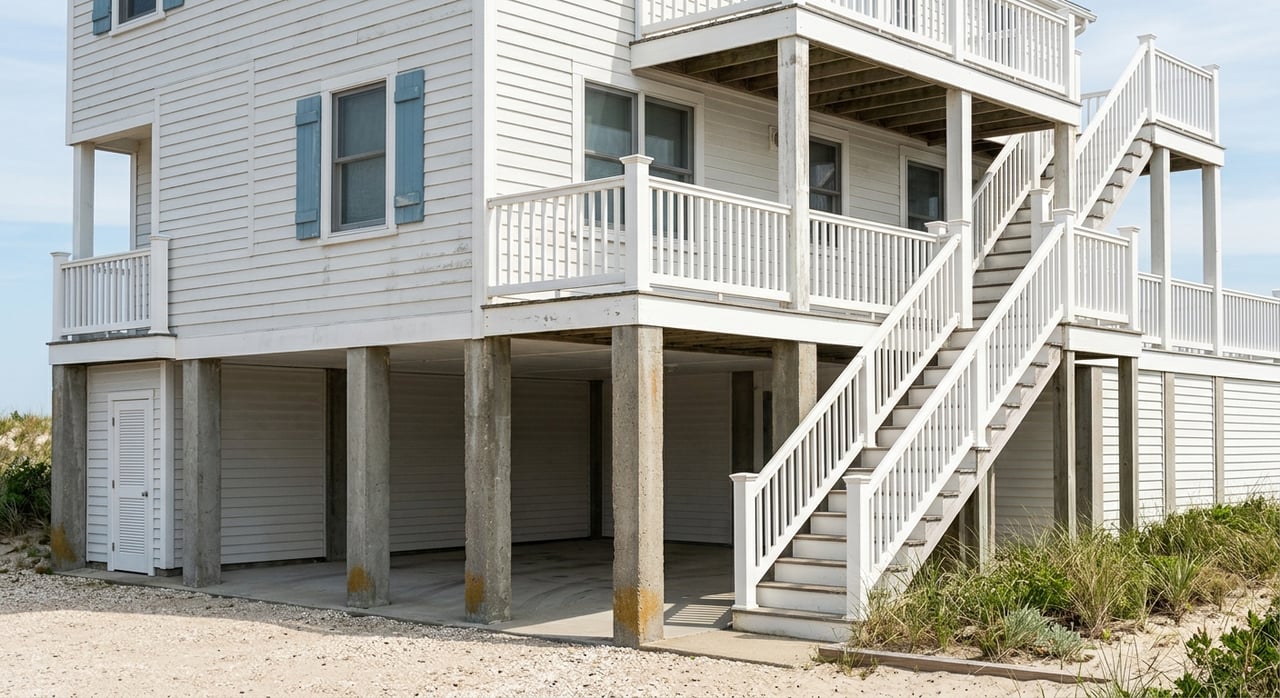
Before you think about photos or showings, walk your property the way a buyer would. In Southern Shores, exterior condition can set the tone quickly because buyers often notice decks, porches, stairs, parking areas, and outdoor storage before they even get inside. A home that looks maintained from the street tends to create more confidence from the start.
Focus first on light repairs that are easy to spot. Tighten railings, replace damaged trim, touch up peeling paint, clean windows, and make sure outdoor lighting works. If your driveway, walkways, or parking areas look worn or cluttered, tidying them can make the property feel simpler and better cared for.
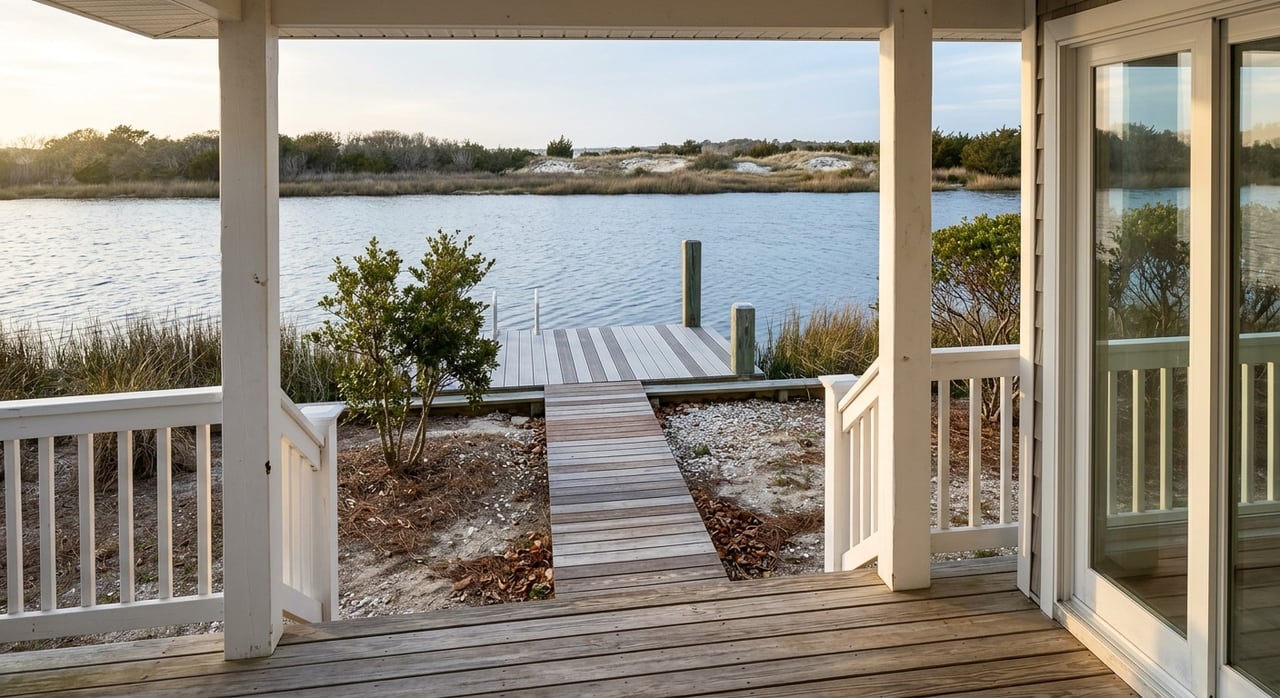
Outdoor spaces matter especially in a coastal setting. Buyers are often drawn to porches, decks, and easy arrival areas that support beach living without feeling high-maintenance. Clean, open, functional outdoor areas can help your home feel ready for everyday use from the first showing.
Make coastal staging feel simple and clean
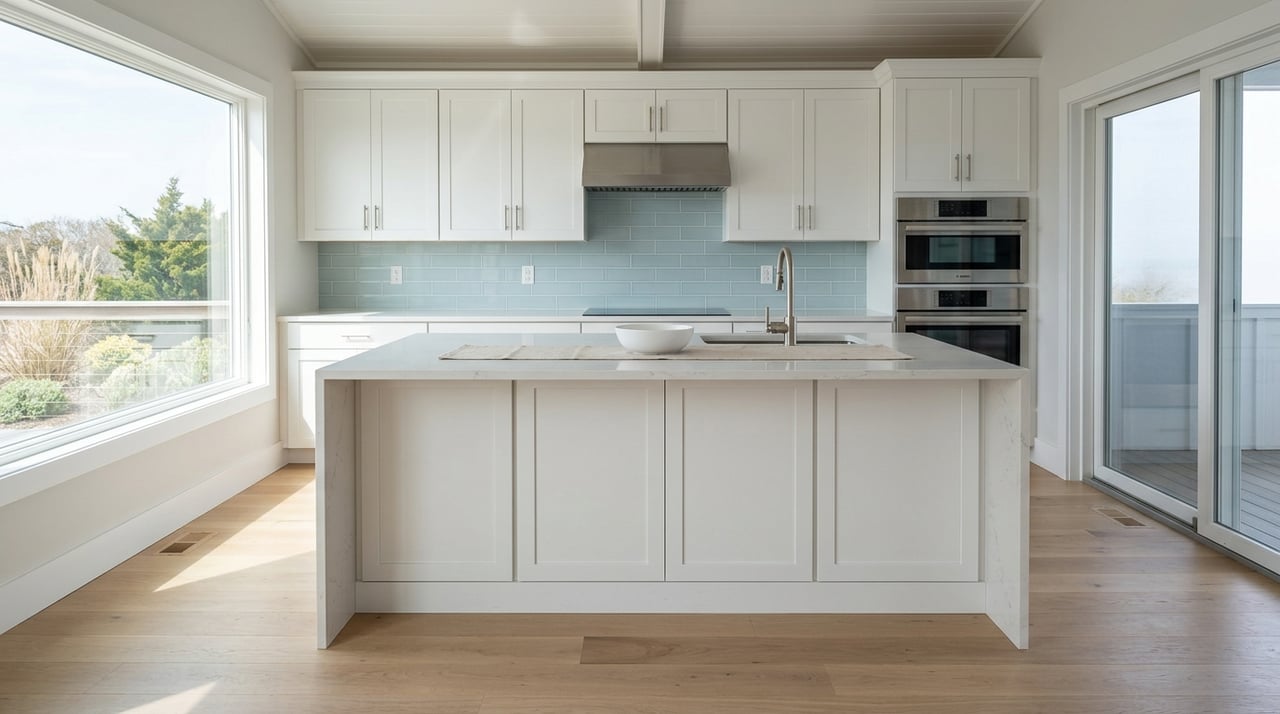
Staging in Southern Shores does not need to feel overly designed. In many cases, the better strategy is to create a bright, uncluttered look that fits the town’s quieter residential character. You want buyers to notice the light, layout, and livability of the home, not a crowded collection of seasonal gear.
Inside, keep furnishings simple and create clear pathways through each room. If you have oversized furniture or extra décor, consider removing some of it so rooms feel more open. Light, neutral styling often works well in coastal homes because it helps buyers focus on windows, breezes, and usable living space.
Outside, keep beach items, maintenance tools, and storage areas neat. The town’s beach rules and parking setup reflect an orderly, low-clutter approach to coastal living, and your home should support that same impression. A tidy exterior helps buyers picture an easy routine rather than a property that comes with too much upkeep.
Gather permits before buyers ask
One of the smartest things you can do before listing is verify what was improved, when it was improved, and whether records are available. Southern Shores permit guidance highlights many features that can become important during a sale, including decks, porches, fences, pools, walkways, HVAC platforms, driveways, docks, and bulkheads. If your home has had additions or exterior upgrades, buyers may ask about them early.
This matters even more for coastal and water-adjacent properties. The town notes that development in flood hazard areas may require a Building or Floodplain Development Permit, and some VE-zone work requires pre-construction certification. CAMA approval may also be required for property near water, wetlands, or other regulated areas.
From a seller’s point of view, the goal is simple: reduce uncertainty. If you can show that improvements were properly permitted and documented, you may make the transaction smoother and avoid avoidable negotiation pressure later.
Get flood-related documents in order
Flood questions often come up early with Outer Banks buyers, and Southern Shores is no exception. If your property is in a flood hazard area, buyers may want to know the flood zone, whether elevation documents exist, and whether any past work triggered additional floodplain requirements. Waiting until due diligence to gather this information can slow things down.
If you have an elevation certificate, permit records tied to raised construction, or documentation related to floodplain compliance, pull those items together before listing. Even if a buyer’s lender or insurer will do its own review later, having your records ready can make your home feel more transparent and easier to evaluate.
The town’s local standards also matter. Southern Shores enforces specific elevation requirements where applicable, so records tied to compliance can carry real value in a coastal transaction. Clear documentation supports confidence, and confidence supports stronger offers.
Treat septic records as listing prep
Most homes in Southern Shores use private septic systems, and the town directs septic permitting and inspections through Dare County Environmental Health Services. That means septic documentation should be part of your seller prep, not an afterthought. Buyers often want to know whether the system is approved, when it was last serviced, and whether repairs were ever permitted.
Start by gathering whatever records you already have. That may include permit information, service receipts, inspection notes, or repair paperwork. If your records are incomplete, it is better to identify that early than to be caught off guard after your home hits the market.
For many buyers, septic is not just a technical detail. It affects how clearly they understand the property and how comfortable they feel moving forward. A seller who has these answers ready often comes across as organized and credible.
Organize HOA and covenant information
Southern Shores includes many properties affected by owners’ associations or private covenants. The town makes clear that it does not enforce private covenants, but it also urges property owners to check with the relevant association before making improvements. That same issue can carry over into a sale.
If your property is part of an HOA or subject to community rules, gather the practical details in advance. Buyers may ask about dues, transfer fees, architectural approvals, parking-related rules, and any shared beach access or exterior standards that apply. Having those details ready helps your listing feel more complete.
This is especially important when a buyer is comparing several coastal homes at once. The easier you make it for them to understand your property’s obligations and benefits, the easier it is for them to make a decision.
Highlight beach access accurately
In Southern Shores, beach access can be part of the property’s appeal, but it should be described carefully and factually. The town states that property owners may receive no-cost beach access parking permits for designated town lots, with a maximum of two permits issued per property owner. It also notes that guest passes are not issued, permits are not mailed, and town beach parking spaces are limited.
If your property benefits from this setup, it can be worth mentioning as part of the lifestyle the home supports. At the same time, accuracy matters. Buyers should understand what access or parking permissions apply, how many permits may be available, and that parking rules are controlled by the town.
This is a good example of why local detail matters in Outer Banks real estate. Small facts can shape a buyer’s expectations, especially when they are comparing homes across different beach communities.
Prepare disclosures early, not later
North Carolina requires sellers of most residential one- to four-unit properties to provide the Residential Property and Owners’ Association Disclosure Statement before an offer is made. In the usual residential sale, sellers must also provide the Mineral and Oil and Gas Rights disclosure form. Because those disclosures show up early in the process, it makes sense to prepare early too.
Some sellers choose “No Representation” on parts of the disclosure statement, but that does not make transaction questions disappear. Buyers still notice missing information, and material facts still matter. In practice, collecting records before your listing goes live usually puts you in a better position than scrambling once showings begin.
Think of disclosure prep as part of presentation. A clean, well-organized file of property information can make your home feel more straightforward to buy, which is exactly what many Southern Shores buyers want.
Be ready for buyer questions
Well-prepared sellers tend to answer questions faster and with less stress. In Southern Shores, common buyer questions often center on coastal ownership details rather than cosmetics alone. If you can answer these clearly, you may reduce hesitation during showings and negotiations.
Be ready to address questions such as:
- What flood zone is the home in?
- Are elevation certificates or flood-related records available?
- Is the home on septic, and when was it last serviced or inspected?
- Were decks, porches, docks, pools, bulkheads, or additions properly permitted?
- Does the property qualify for beach access parking permits, and if so, how many?
- What HOA dues, rules, approvals, or transfer obligations apply?
- If the home has been used as a rental, are there maintenance or performance records available?
You do not need every answer memorized. You do need a plan for where the information lives and how quickly it can be shared.
Price with the current market, not old assumptions
It is easy to assume that any well-located beach home will sell quickly, but current Southern Shores data suggests a more measured approach. Depending on the source, homes have been taking several weeks to sell, and average sale outcomes have shown some movement below asking price. That means pricing still deserves careful attention.
This is where preparation and pricing work together. If your home is clean, documented, and easy to understand, you have a stronger case for your asking price. If your home also enters the market with realistic expectations based on current conditions, you may attract better interest earlier.
The goal is not just to list. The goal is to launch in a way that supports confidence from buyers and reduces friction from the start.
Your smart seller checklist
If you want a simple way to organize your next steps, start here:
- Fix visible exterior and interior maintenance issues
- Declutter and simplify indoor and outdoor spaces
- Gather permits for additions and exterior improvements
- Pull flood-zone, elevation, and flood-related records
- Collect septic permits, service history, and repair documents
- Organize HOA dues, rules, approvals, and transfer details
- Confirm beach access parking details if applicable
- Prepare required North Carolina disclosure forms early
- Assemble rental and maintenance records if the home was rented
- Review pricing based on current Southern Shores market conditions
Preparing to sell your Southern Shores home the smart way means treating the process like more than a photo day. When your home is clean, documented, and clearly presented, buyers can focus on its value instead of its question marks. If you want experienced, local guidance on how to position your home for today’s Outer Banks market, reach out to Suzanne Baer.
FAQs
What should Southern Shores sellers fix before listing a home?
- Start with visible issues like damaged trim, loose railings, peeling paint, cluttered outdoor areas, worn walkways, and anything that makes the home feel less maintained.
What documents matter most when selling a Southern Shores home?
- Key items often include permit records, flood-related documents, septic records, HOA information, required North Carolina disclosures, and rental or maintenance records if applicable.
Why do flood documents matter for Southern Shores home sales?
- Buyers often want to understand flood zone details, elevation information, and whether past improvements complied with local floodplain requirements.
What septic information should Southern Shores home sellers have ready?
- You should be ready to share whether the home uses a private septic system, when it was last serviced or inspected, and whether any repair permits or related records exist.
How does beach access affect a Southern Shores home listing?
- If applicable, sellers should accurately explain town beach access parking permit details, including that permits are limited and subject to town rules.
When do North Carolina sellers provide disclosure forms?
- For most residential one- to four-unit properties, sellers must provide the Residential Property and Owners’ Association Disclosure Statement before an offer is made, along with the usual mineral and oil and gas rights disclosure form.