Thinking about selling your beach cottage in Kill Devil Hills? It can look simple from the outside, but in this market, the details matter. Buyers are paying close attention to location, condition, maintenance records, and how easily they can step into coastal ownership, so the right plan can help you avoid delays and protect your bottom line. Let’s dive in.
Why Kill Devil Hills pricing takes a local approach
Kill Devil Hills sits in a tourism-driven coastal market, and that shapes how buyers view beach cottages. In Dare County, visitor spending topped $2.1 billion in 2024, tourism supported 12,260 jobs, and local market activity remains closely tied to second-home and vacation-rental demand, according to the Outer Banks Visitors Bureau.
That said, broad Outer Banks headlines do not tell you exactly what your cottage will sell for. Recent Outer Banks Association of REALTORS reports put the Kill Devil Hills median residential sale price at $528,000 in January 2026 and $521,500 in February 2026, with average days on market of 52 and 45 days, respectively. Those numbers are helpful, but your pricing strategy should be built from nearby Kill Devil Hills cottage comps with similar location, age, lot position, and updates.
What recent cottage sales show
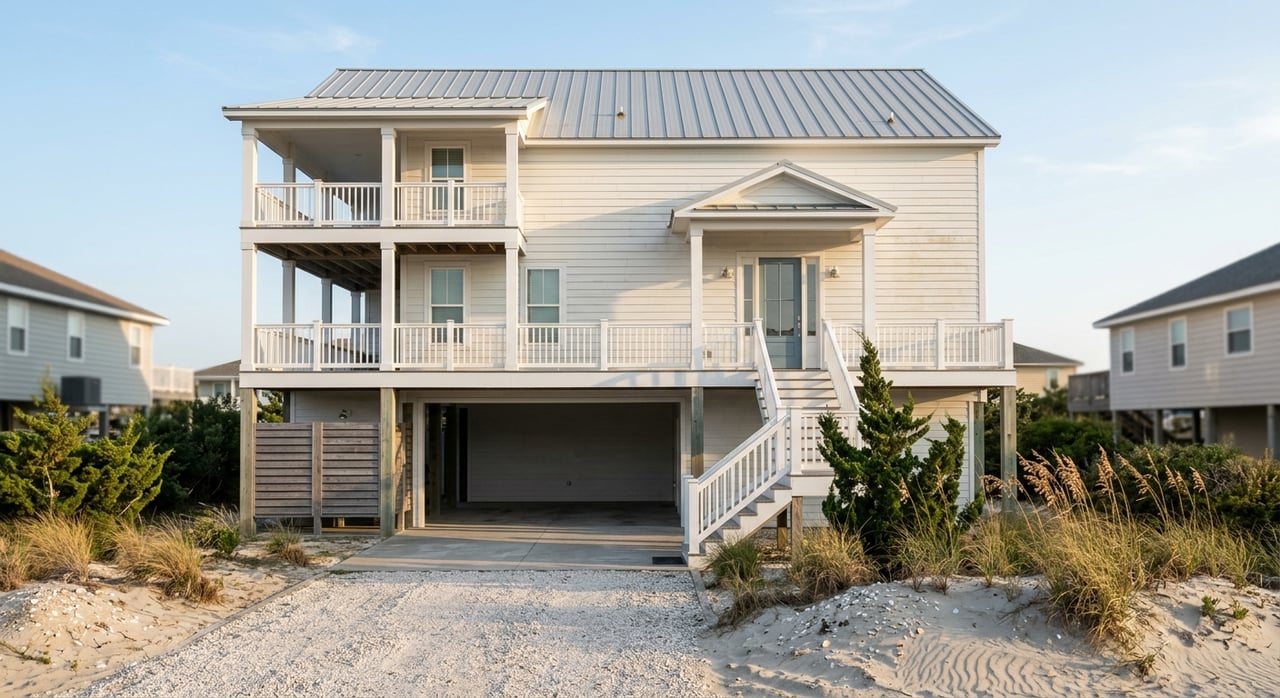
Recent sales in Kill Devil Hills highlight how much condition and placement affect value. A 1957 two-bedroom cottage on Rocky Mount Street closed at $385,000 after listing at $399,000 and spent 9 days on market, while a 1984 three-bedroom beach box on West Third Street closed at $495,000 after asking $519,000 and took 104 days. A 1970 oceanfront cottage on North Virginia Dare Trail closed at $825,000 after a $950,000 list price and 91 days on market.
These examples, drawn from recent Kill Devil Hills listings and sales, show an important pattern. Buyers are not just comparing square footage. They are weighing street, beach access, flood exposure, updates, rental-readiness, and how much work the property may need after closing.
Prep matters more than charm alone
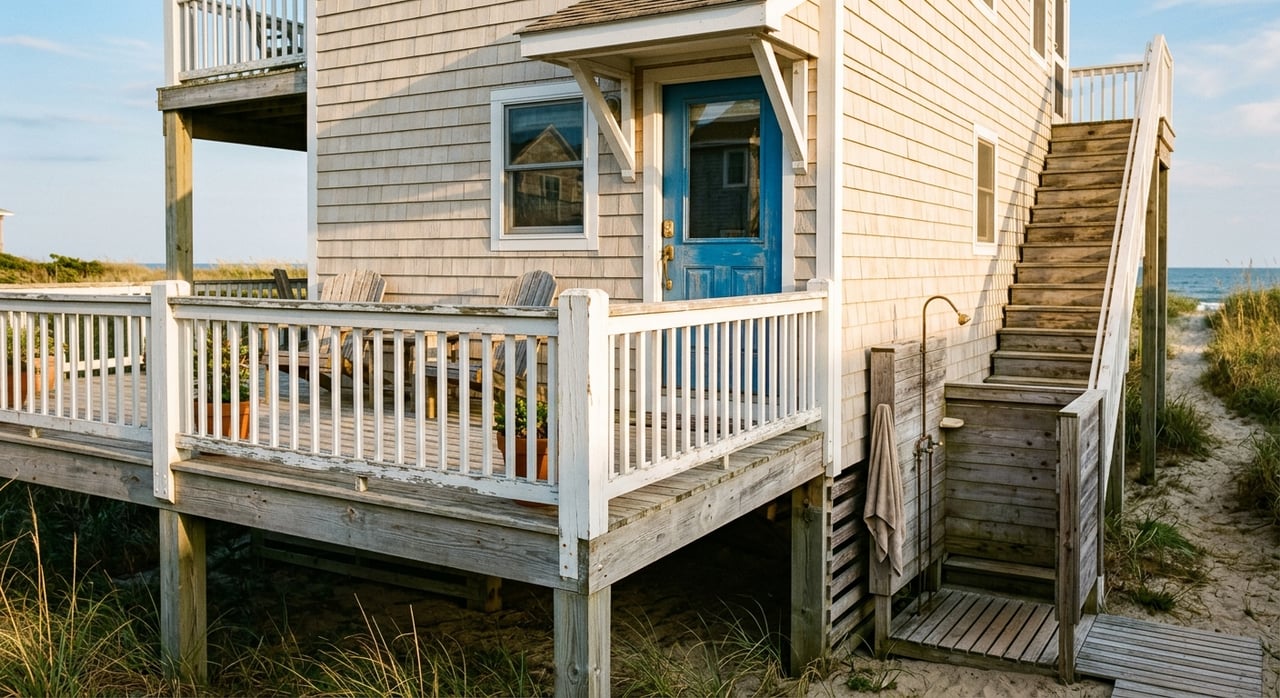
A classic cottage feel can absolutely attract interest, but buyers in this market often respond most strongly to homes that look easy to maintain. Recent Kill Devil Hills listings repeatedly highlighted updates like roofs, HVAC systems, siding, windows, decks, and outdoor showers.
For example, one Carlow Avenue cottage featured a fortified roof, new gutters, cedar-style siding, new HVAC, and a remodeled outdoor shower. Another West Third Street cottage emphasized a new roof, HVAC, siding, decking, windows, and water heater. Based on these recent listing patterns, many buyers are willing to pay more for turn-key coastal maintenance than for original charm that may come with future repair costs.
Focus on the updates buyers notice
Before you list, it helps to think like a buyer walking through an older beach cottage for the first time. They are often asking one question over and over: What will I need to fix soon?
The most valuable pre-listing improvements are usually the ones that reduce uncertainty, such as:
- Roof repairs or replacement
- HVAC service records or recent replacement
- Window and door upgrades
- Siding and exterior trim repairs
- Deck and stair safety improvements
- Outdoor shower cleanup or remodeling
- Minor moisture-related repairs
- Fresh paint and simple, coastal staging
You do not need to over-renovate to make a strong impression. In many cases, a clean, well-documented, well-maintained cottage will outperform a home with partial cosmetic updates but unanswered maintenance questions.
Time your listing around the rental calendar
If your cottage is a vacation rental, timing can make a big difference. According to the local tourism calendar, the less-than-peak period generally runs from September 7 through June 15, which often creates a more practical window for repairs, photography, and showings with fewer guest conflicts, based on guidance tied to the Outer Banks tourism grant and visitation calendar.
That does not mean you cannot sell during peak season. It does mean you should build a plan around turnover days, existing bookings, and realistic access for buyers, inspectors, and photographers. If your summer calendar is packed, it may be smarter to prepare early and launch when showing logistics are easier to manage.
Build a smoother sale with records
One of the best ways to reduce stress during a beach cottage sale is to gather your paperwork before the home hits the market. Buyers of coastal property often ask more questions than buyers in non-coastal areas, and having answers ready can help keep momentum strong.
Your pre-listing file should include as much of the following as possible:
- Flood-zone information
- Current flood insurance details
- Elevation certificate, if available
- Roof, HVAC, siding, or window invoices
- Septic records, if the home uses septic
- Repair and maintenance receipts
- Utility information
- Rental history or booking details, if applicable
- Any permits tied to major repairs or improvements
This kind of preparation supports a smoother transaction and helps buyers feel more confident in the property.
Flood questions to answer early
Flood risk is a major part of coastal due diligence in Kill Devil Hills. The town states that it has five flood zones, recommends flood insurance for any property, and notes that homes in Special Flood Hazard Areas may face flood insurance purchase requirements when there is a mortgage from a federally regulated or insured lender. The town also notes that most flood policies have a 30-day waiting period and that an elevation certificate may help reduce premiums, according to the Town of Kill Devil Hills flood information page.
For sellers, that means flood questions should not be treated as last-minute details. If you can provide flood-zone confirmation, policy information, and an elevation certificate early, you can help buyers and lenders evaluate costs faster and with fewer surprises.
Older cottages need inspection planning
Many beach cottages in Kill Devil Hills are older homes, and inspections often focus on moisture, air quality, roofing, and system wear. FEMA notes that high winds can damage roof flashing and lead to water intrusion, leaks, corrosion, and dry rot. EPA also warns that after flooding, mold can grow when materials stay wet for more than 24 hours, flood water can affect indoor air quality, and older homes may contain asbestos or lead-based materials.
If your home has had past storm or moisture issues, it is wise to address known concerns before listing. For HVAC systems or ducts affected by flood water, EPA advises professional guidance. This kind of early planning can help you avoid renegotiation later when a buyer’s inspection brings hidden issues to light.
Septic records can help buyers feel confident
If your Kill Devil Hills cottage is on septic, gather those records early too. The North Carolina Department of Health and Human Services says about half of North Carolina homes use septic systems, inspections are typically recommended every three years, and pumping is often needed every three to five years, as outlined in its homeowner septic guidance.
For a seasonal or rental property, buyers often want to know whether the system has been maintained for heavier use. A clear maintenance history can help answer that question and reduce uncertainty during due diligence.
Disclosures are part of a strong strategy
In North Carolina, sellers of most one-to-four-unit residential properties generally must provide the Residential Property and Owners’ Association Disclosure Statement before an offer is made. The North Carolina Real Estate Commission also makes clear that rental or investment use does not remove that duty, and known latent defects still matter.
That is especially important for older coastal cottages, where issues like recurring water intrusion, settling, or past repairs may not be obvious during a short showing. You can read more in the NCREC disclosure guidance. A complete, honest disclosure process supports trust and helps prevent avoidable contract problems.
A practical game plan for sellers
If you want the strongest possible outcome, keep your plan simple and local. Price from Kill Devil Hills cottage comps, not broad regional averages. Prepare the home so it feels well-maintained and easy to own, and organize your flood, septic, and repair records before launch.
That approach reflects the local seller guidance supported by Outer Banks market resources. In this market, the easiest sale is often the home that is priced realistically, shows cleanly, and gives buyers fewer unanswered questions.
Selling a beach cottage in Kill Devil Hills is not just about putting a sign in the yard. It is about understanding how coastal buyers think, preparing for the questions they will ask, and presenting your property in a way that feels clear, cared for, and credible. If you want local, hands-on guidance for pricing, prep, and marketing, connect with Suzanne Baer for a personalized strategy.
FAQs
What affects the sale price of a beach cottage in Kill Devil Hills?
- The biggest factors are usually exact location, condition, maintenance updates, flood considerations, beach access, and how your cottage compares with similar recent Kill Devil Hills sales.
When is the best time to sell a vacation rental cottage in Kill Devil Hills?
- For many sellers, the shoulder or off-season is easier because there are fewer guest conflicts and more flexibility for repairs, photography, showings, and inspections.
What records should you gather before selling a Kill Devil Hills beach house?
- Try to collect flood insurance information, an elevation certificate if available, septic records, repair invoices, maintenance receipts, utility details, and rental history if the property has been rented.
Do sellers need to disclose issues when selling an older cottage in North Carolina?
- Yes. North Carolina generally requires residential disclosure statements before an offer is made, and known latent defects should be disclosed even if the property has been used as a rental or investment home.
Why do buyers care so much about updates in a Kill Devil Hills cottage?
- Coastal buyers often want lower upkeep and fewer surprise repairs, so features like newer roofs, HVAC systems, siding, windows, and decks can make a home more appealing.
How do flood zones affect selling a home in Kill Devil Hills?
- Flood zones can affect insurance requirements, buyer costs, and lender questions, so it helps to provide flood-zone details, policy information, and any elevation certificate early in the process.